

Crimson Desert has always been the kind of game that overwhelms you with possibility, and Charting the Unknown doubles down on that identity with more systems, more routes to chase, and more corners of its world to prod open. The DLC does not arrive quietly. It pushes in sailing, underwater search routes, camp expansion, business ownership, relationship systems, and a fresh batch of combat challenges, all while adding several new quest chains that attempt to impose order on the chaos. Some of these additions feel genuinely exciting in motion, while others are little more than decorative layers over familiar ideas. That unevenness is part of the package’s personality, though, and it shapes almost every hour spent inside it.
The most immediate thing Charting the Unknown gives you is a stronger sense that Crimson Desert wants to be many different games at once. One minute you are navigating open waters, the next you are handling inventory and staffing for a small enterprise, and later you are wandering through a sun-blasted region where the wind itself becomes a navigational hazard. The DLC does not choose a single direction and commit to it. Instead, it keeps adding new toys to an already crowded box. That approach can create genuine surprise, because the adventure is always willing to pivot into a new activity before you have fully settled into the previous one. It can also leave individual mechanics feeling undercooked.
Expanding a World That Was Already Bursting
Crimson Desert’s base version was never short on things to do, and Charting the Unknown leans into that excess without apology. The world gets larger in practice, not just on the map, because the DLC introduces systems that alter the way you navigate through it and the way you think about progression. Instead of simply offering a few side quests and a new location or two, it builds out an entire band of complementary activities. That includes a sea-facing layer of exploration, new forms of resource collection, and a business loop that turns idle money into active management. The result is a package that feels like a new shelf bolted onto a room already crammed full of objects.
Story Threads That Lean on Familiar Ground
The added narrative content is split across three new questlines centered on the game’s playable protagonists, but these campaigns rarely rise above functional. They often recycle situations, revisit familiar personalities, and ask you to retrace ground you have already covered. Some segments are padded with long conversations that stretch thin ideas well past their natural length. Even when the scenes are animated with care, the underlying writing seldom offers much to latch onto. One route in particular becomes a long chain of errands, with tasks that feel like small chores rather than meaningful developments. A late encounter provides a stronger payoff, yet it arrives after a great deal of repetition has already done its work.
Kliff’s Sandstorm Passage
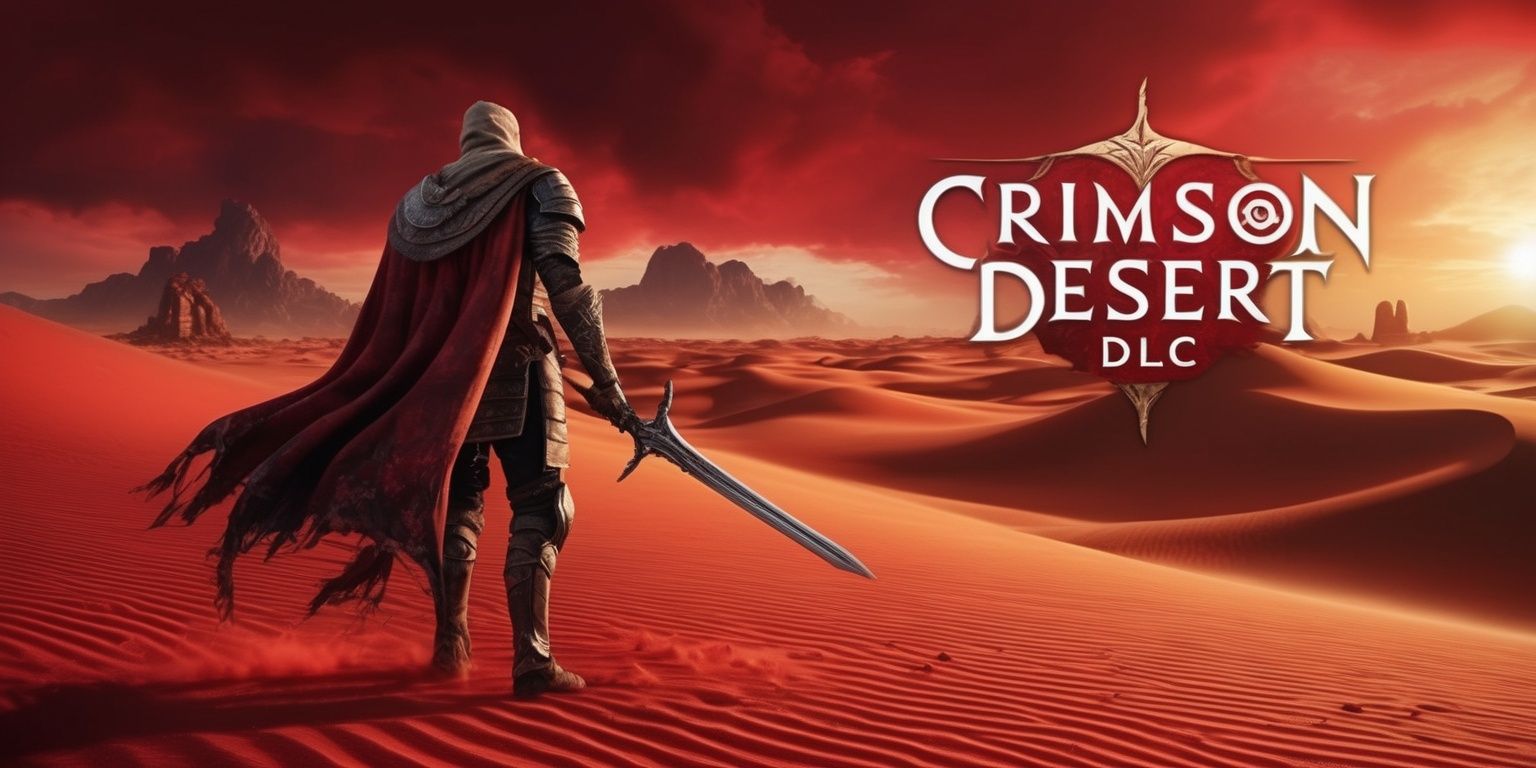
Among the three storylines, Kliff’s portion stands out mostly because of the environment it uses. The desert region is swallowed by a sandstorm, changing visibility and orientation in a way that gives ordinary traversal a new kind of tension. Instead of relying on the map alone, you need to focus on the form of the landscape and the clues the world gives you. That makes this segment more memorable than the more routine quest chains elsewhere in the DLC. It also introduces a stronger connection between setting and objective, since getting where you need to continue turns into part of the challenge instead of a simple transition between talking points.
High Seas, Slow Currents
One of the most ambitious additions is ship construction and open-water travel. Once unlocked, this feature opens a broader nautical layer filled with islands, wrecks, and submerged loot. You can build or acquire a boat, outfit it with gear, and then set out across the sea expecting discovery. The idea itself is easy to admire. Crimson Desert suddenly supports a form of travel that changes the scale of the adventure and makes the map feel less static. The practical side is less elegant. Boat handling can be clumsy, vessels move at a sluggish pace, and combat at sea often feels simplistic enough to become repetitive before long.
Navigation Beneath the Waves
The underwater portion of the DLC is much easier to enjoy. Diving shifts the focus from slow maritime movement to close-range investigation of sunken spaces, ancient structures, and buried caches. With a diving suit and harpoon tool in hand, you move through submerged corridors, grab air from pockets that keep you alive, and uncover hidden rewards tucked away in forgotten places. This section works because it creates a different rhythm from the remainder of the match. Rather than merely crossing distance, you are reading the underwater environment, timing your movement carefully, and taking advantage of the fact that danger and treasure are often in the same place.
Islands That Become Functional Outposts
Island settlement is another of the more practical systems added here. As you discover new landmasses, you can turn them into useful stops by building docks, bringing in vendors, and unlocking convenient travel points. This makes exploration feel more grounded, because every successful trip can feed into a growing network of support across the sea. The loop is simple but effective: find a new island, establish a presence, and improve your route options for the next trip. It mirrors one of Crimson Desert’s better mainland habits, where discovery often leads directly to a stronger foothold in the world. Even when rewards are modest, the sense of ownership gives the islands a clear purpose.
Treasure Hunts and the Pleasure of Digging
Scattered across these islands are buried caches and little treasure trails that encourage you to move off the primary trail and investigate. The loot is not always especially valuable, but the act of searching gives the DLC some of its most pleasant momentum. There is something naturally satisfying about following clues, checking the edges of cliffs, and brushing aside assumptions in hopes of finding some forgotten reward. These moments benefit from the game’s willingness to let curiosity drive progress. Even when the chest at the end contains something underwhelming, the route to it often provides the more lasting memory, especially when paired with odd locations and strange environmental details.
Business Management With Real Momentum
One of the surprise highlights is the business management layer. You can lease stores, staff them with members of your camp, improve their furnishings, and keep an eye on profits as customers come and go. It is not a deep economic simulator, but it has enough structure to feel rewarding. There are choices to make, steady returns to optimize, and a pleasant sense of building something that continues to work while you are off doing something else. In a game already filled with distractions, this system stands out because it creates a different kind of engagement. Instead of fighting or traveling, you are planning, investing, and watching a network gradually become more efficient.
Relationship Systems and Social Exchange
The expanded social link feature adds a softer layer to the game’s already sprawling structure. By strengthening bonds with NPCs, you can move into relationships, exchange gifts, and, if you want, even pursue marriage or separation. The system is intentionally light, and it does not pretend to reshape the larger structure of the game. That lack of weight is part of its charm. It turns casual conversations and repeated encounters into something with just enough consequence to matter. It also gives extra use to spare items, since gifts become a practical part of social progress. For players who enjoy social simulators, this is a welcome little detour from the more aggressive systems.
Boss Rush as a Test of Endurance
Charting the Unknown also adds a boss rush mode for players who want to revisit familiar confrontations in a more concentrated format. Rather than sending you to new territory, it sharpens the focus onto endurance, timing, and build efficiency. Because several of the earlier bosses have already been adjusted to behave more cleanly than they did at launch, this mode works better now than it might have before. It is still not the most exciting hook in the DLC, especially if repeated boss encounters were never your favorite an element of the game, but it does offer a structured challenge for players who have already absorbed most of what the campaign has to offer.
Combat Variety and Uneven Execution
Combat throughout the DLC continues Crimson Desert’s habit of mixing strong spectacle with frustrating execution. There are moments when a fight is thrilling because of the environment, the enemy design, or the oddity of the situation. A giant tank launching enemies tied to balloons is the sort of absurd set piece that makes the game difficult to forget. At the same time, many encounters still rely on mechanics that feel awkward or overly familiar, especially when the game asks you to repeat similar patterns too often. That contrast defines much of Charting the Unknown. It keeps offering new visual ideas, but the actual handling of action can be uneven.
A World That Looks Expensive and Sometimes Fails Loudly
Visually, the DLC continues the game’s habit of leaning into scale and lavish scenery. Broad deserts, sea routes, islands, and submerged ruins all help build a world that feels more diverse than its systems always deserve. The problem is that the presentation is not always stable enough to fully support that ambition. Technical issues appear often enough to interrupt immersion, from crashes to odd animation problems and flickering surfaces during scenes that should feel polished. Even on strong hardware, these problems are difficult to ignore. They do not erase the appeal of the world, but they do keep reminding you that the adventure is carrying more weight than it can always comfortably support.
The Pleasure and Friction of Too Many Systems
The defining trait of Charting the Unknown is abundance. It is a DLC that keeps stacking ideas, trusting variety to make up for inconsistency. That creates a strange but compelling rhythm, where one excellent activity can sit beside another that feels half-finished, and both still contribute to the broader experience. You may spend one session sailing between islands, then shift to a trading route, then wander into a relationship sequence, and later dive into a boss challenge without ever fully settling into one style of play. That variety is part of what makes Crimson Desert feel distinctive. It is also why the game can feel crowded, unruly, and strangely magnetic all at once.