
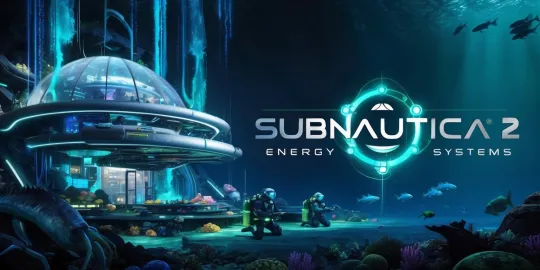
The dynamic world of Subnautica 2 offers a rich blend of survival challenges and inventive engineering opportunities, especially when it comes to furnishing your base with a reliable power supply. As you delve into this underwater adventure, every choice in constructing your base holds the promise of innovation and adaptation. From sourcing abundant materials to strategically positioning your energy generators, powering your base is an intricate dance between resource management and environmental acumen. In the following sections, the diverse array of power solutions available in Subnautica 2 will be explored from multiple angles, providing insight into how each technology functions, the specific conditions they require, and the nuanced interplay between resource availability and energy efficiency.
Harnessing the Radiance of Solar Panels
Solar Panels serve as the most accessible entry point into the realm of energy generation in Subnautica 2. Constructed with common materials such as Titanium and Quartz, these panels harness the natural luminescence of the underwater sun. When mounted on the outer walls of your base using the Habitat Builder Tool, they immediately begin converting sunlight into usable energy. Their ease of assembly and reliance on abundant resources make them an ideal starting point for any base builder. However, they come with the inherent limitation of being subject to the day-night cycle. As dusk falls and daylight diminishes, the energy output of the panels decreases noticeably, which may necessitate the addition of supplementary systems or additional panels to maintain an uninterrupted energy supply. Their simplistic design and practical functionality make Solar Panels an important asset for every explorer.
Generating Flow with Hydroelectric Turbines
Hydroelectric Turbines introduce a more sophisticated method of power generation by utilizing the natural currents of the Proteus ocean. Requiring materials such as Titanium, Copper, and Silver, these turbines are built to capture kinetic energy from water flow and convert it into electricity. Positioned within active currents, they continuously produce energy regardless of the time of day, making them more reliable than solar installations during periods of reduced sunlight. This placement near steady underwater streams ensures that energy output remains consistent. Additionally, if your base is not directly adjacent to a current, Power Transmitters can help bridge the gap and deliver the generated energy back to your habitat. The design of these turbines emphasizes efficiency and sustainability, tapping into the constant, natural forces of the ocean to keep your base operational.
Balancing Organic Resources with Bioreactors
The Bioreactor stands out as an ingenious solution that transforms organic matter into energy, merging resource management with technological creativity. Installed within the confines of your base, this power source consumes various organic materials such as plants, fish, and other food items to generate energy. The dual operating modes—Normal and Overdrive—offer flexibility in energy output but also demand careful consideration of resource consumption. In Normal mode, a steady pace of energy production ensures stability, while Overdrive mode effectively doubles the output by consuming organic matter at a faster rate. This trade-off is critical when balancing the need for power with the preservation of essential resources required to sustain your crew and further technological development. The Bioreactor emphasizes the importance of versatility and strategic planning in managing scarce resources while expanding your energy infrastructure.
Transforming Heat with Thermal Plants
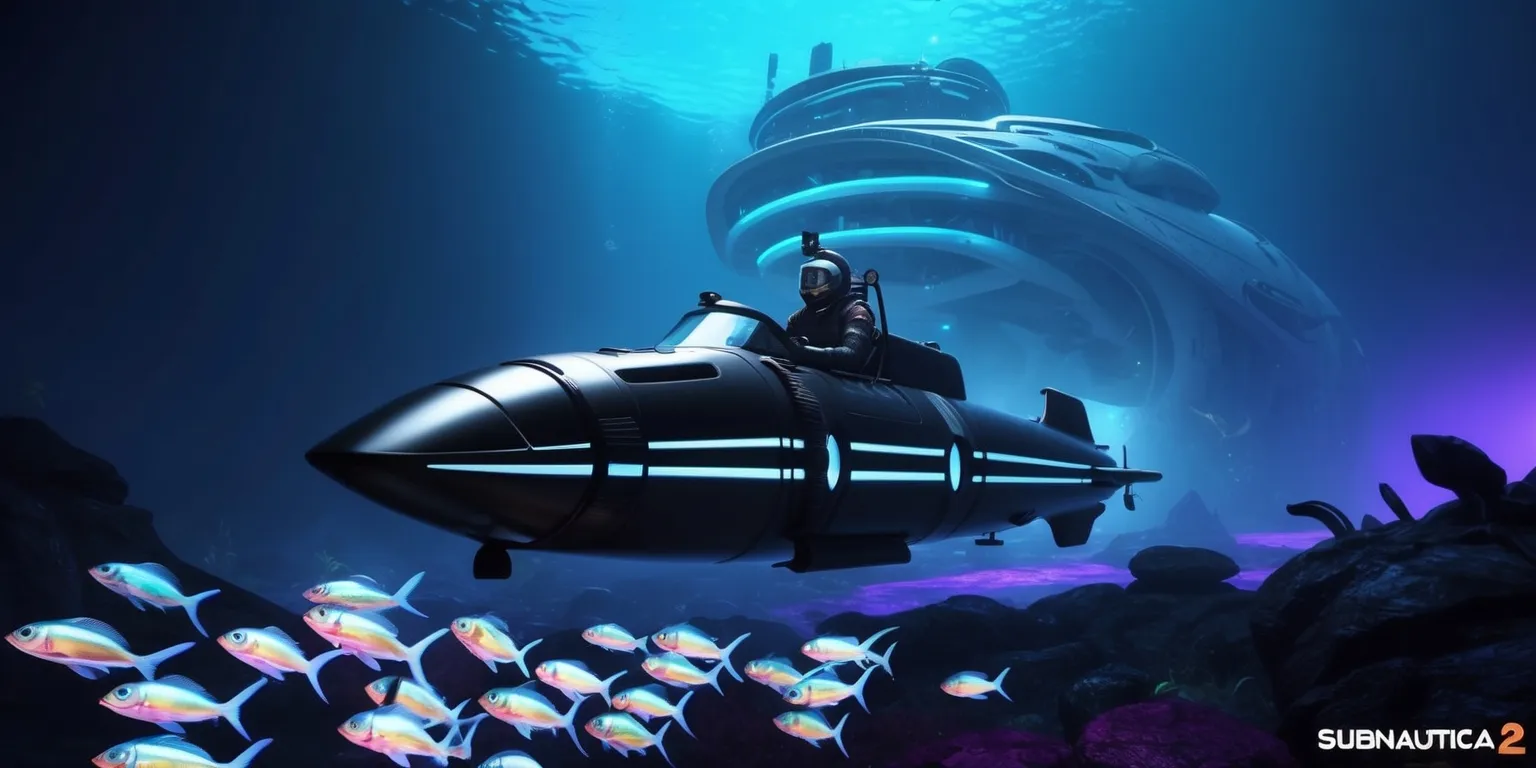
Thermal Plants capitalize on the ambient heat available in specific regions of Subnautica 2 to generate power, offering an energy solution that operates independently of sunlight and water currents. Placed primarily within hot biomes, such as the eerie Graveyard or the steaming corridors of the Hot Caves, these plants absorb thermal energy and convert it into electricity. The requirement to locate bases or energy stations near these temperature hotspots adds an extra dimension of strategic planning to base construction. Coupled with Power Transmitters, Thermal Plants can extend their influence beyond immediate proximity, allowing for creative layouts that connect distant power sources to the heart of your base. Their integration broadens the range of environments where you can establish energy generation installations, ensuring that heat is harnessed effectively in even the most challenging of underwater locations.
Extending Reach with Power Transmitters
While not a power generation unit on their own, Power Transmitters play an essential role in the overall energy network of your base. These devices are designed to bridge the distance between isolated energy sources, such as Hydroelectric Turbines or Thermal Plants, and the main base where energy is required. Crafted from a modest amount of Titanium and Copper, they serve as conduits that transfer electricity efficiently across various sections of your underwater habitat. Power Transmitters enhance the flexibility of your base design, allowing you to harness energy from sources located in optimal natural environments while centralizing power distribution. This component not only maximizes the energy yield by overcoming spatial limitations but also fosters creative architectural designs, making the process of power management as visually appealing as it is functional.
Resource Acquisition and Engineering Synergy
At the core of every robust power system in Subnautica 2 is the judicious acquisition and utilization of key resources. The creation of components such as Solar Panels, Hydroelectric Turbines, Bioreactors, and Thermal Plants requires a unique combination of common and rare materials. The careful harvesting of Titanium, Quartz, Copper, Silver, and organic matter reflects the broader challenge of balancing resource extraction and energy needs. This dynamic creates a synergy between exploration and engineering, where venturing into uncharted waters may reveal not only new biomes but also the critical components necessary for advancing your base’s capabilities. Strategic planning and resource management become intertwined, as decision-making on the allocation of materials directly influences the efficiency and scalability of your power infrastructure in this vibrant underwater world.
Constructing Energy Networks in Varied Environments
Subnautica 2’s expansive underwater landscapes demand you tailor your energy strategy to the prevailing environmental conditions. Bases built in bright, clear waters are ideally suited for Solar Panels, while those established near swift currents benefit from Hydroelectric Turbines. Meanwhile, biomes with higher thermal activity allow Thermal Plants to shine by harnessing ambient heat. Such diversity in natural conditions compels you to adapt your power grid for optimal performance. By integrating Power Transmitters, you can interconnect energy sources scattered across different regions. This ability to construct a distributed network of energy generation not only enhances resilience against localized resource shortages but also reflects the innovative spirit required to thrive on Proteus. Each region’s natural offerings can be harnessed effectively when strategic planning meets creative engineering.
Architectural Aesthetics and Functional Design
The layout and visual integration of your power The supporting framework is a key factor in the overall system design of your underwater base. Beyond their functional purpose, devices like Solar Panels and Turbines contribute to the architectural aesthetics of your habitat. Thoughtful placement of these modules can enhance the visual cohesion of your base while also ensuring maximum efficiency in energy generation. Whether arranging rows of Solar Panels along your exterior walls or positioning Turbines to interact seamlessly with water currents, each decision influences both the performance and the aesthetic appeal of the base. The marriage of functionality and design is a fundamental aspect of Subnautica 2’s gameplay, where technical solutions are often paired with creative building strategies, resulting in bases "that boast an equally compelling visual impact" operationally sound.
Strategizing Energy Output and Consumption
The challenge of powering your base in Subnautica 2 extends beyond simply assembling energy generators; it involves a careful balance between energy output and consumption. Each method of energy production—from the steady drip of Solar Panels to the dynamic contributions of Bioreactors—affects overall efficiency and the pace at which your base evolves. Strategic choices come into play when deciding between the consistent energy provided by Hydroelectric Turbines and the resource-intensive, yet potent, output of Bioreactors in Overdrive mode. Players must weigh immediate needs against long-term sustainability, ensuring that the energy infrastructure scales appropriately with expanding technological demands. This delicate equilibrium of energy production and utilization not only tests your tactical expertise but also beckons you creative experimentation to achieve a stable, self-sustaining power network in a challenging underwater environment.
Engineering Integration and System Adaptability
The strength of your base’s power system lies in its ability to integrate various energy sources into a cohesive network. In Subnautica 2, adaptability is a central theme, as the dynamic underwater environment often requires modifications to existing systems. By incorporating multiple power setups—each tailored to specific environmental conditions—you build redundancy into your energy matrix. The interplay between localized generators like Thermal Plants and remotely located power sources connected by Power Transmitters allows for fluid adjustments based on situational demands. This modularity is crucial, as it facilitates repairs, upgrades, and resource reallocation as your journey progresses. The process of engineering integration underscores a broader lesson in flexibility and innovation, where strategic planning and responsive adaptation ensure that your base remains powered even as conditions around you shift unexpectedly.