



Liberty City Offers Opportunity and Collects the Debt Later
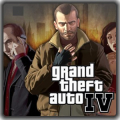
Grand Theft Auto IV begins with an arrival that feels deliberately unglamorous. Niko Bellic steps off a cargo ship expecting the wealth, cars, and comfortable life described by his cousin Roman. Instead, he finds a cramped apartment, unpaid debts, an unreliable taxi business, and several dangerous people who already know Roman’s name. Liberty City has been sold to Niko as a place where anyone can begin again, but his first hours suggest that reinvention is simply another product the city advertises more successfully than it delivers.
That disappointment gives this Grand Theft Auto IV: The Complete Edition review its emotional foundation. Rockstar’s earlier crime games frequently treated success as an upward journey toward property, influence, and excess. Grand Theft Auto IV is more suspicious of that fantasy. Niko earns money, acquires weapons, meets powerful criminals, and gains access to expensive neighborhoods, yet every improvement seems attached to another obligation or betrayal.
The Complete Edition combines the main campaign with two substantial expansions: The Lost and Damned and The Ballad of Gay Tony. Together, the three stories present Liberty City from different social levels. Niko enters as an immigrant attempting to escape his past. Johnny Klebitz struggles to preserve a motorcycle club collapsing from within. Luis Lopez works beside nightclub owner Tony Prince, moving through celebrity culture, organized crime, and spectacular excess.
These campaigns share streets, characters, and events, but their tones differ sharply. The main story is restrained and often bleak. The Lost and Damned is rougher, angrier, and focused on loyalty inside a damaged brotherhood. The Ballad of Gay Tony brings brighter colors, heavier weapons, helicopters, clubs, and exaggerated action back into the same city.
The package remains ambitious and unusually cohesive. It also contains some of Rockstar’s most persistent frustrations: heavy vehicle handling, repetitive mission structure, limited checkpoints, intrusive phone calls, aging gunplay, and a PC version historically associated with inconsistent optimization. Grand Theft Auto IV: The Complete Edition is not always comfortable, but it remains one of the strongest crime dramas in open-world gaming. Liberty City may be smaller than later Rockstar maps, yet its density, atmosphere, and characters give it exceptional weight.
A New Life Built on Old Violence
Niko Bellic comes to Liberty City from Eastern Europe after receiving years of enthusiastic messages from Roman. According to those stories, Roman owns a mansion, drives sports cars, and lives surrounded by women and opportunity.
The truth is less impressive. Roman operates a struggling taxi company, lives in a modest apartment, and owes money to people who use intimidation as a normal business tool. His exaggerations are frustrating, but they also reveal why he needed Niko. Roman is lonely, frightened, and desperate for someone dependable. Niko has another reason for coming to America. During the war, his military unit was betrayed, leading to the deaths of most of his friends. He believes one of the surviving men may be living in Liberty City and wants answers.
This personal search gives the campaign a darker purpose than simple criminal advancement. Niko is not innocent, and he does not pretend to be. He has transported people, committed violence, and worked for dangerous organizations. What he wants is distance from the person he became, even while repeatedly accepting work that requires the same abilities. Liberty City makes escape difficult because violence is the one service Niko can provide better than almost anyone around him. Criminals recognize his usefulness quickly. He becomes a collector, driver, protector, attacker, and problem solver for people who promise money or information.
The story gradually connects him with Russian criminals, Irish families, Italian organizations, corrupt officials, drug dealers, and government-linked operatives. Every group offers access while creating new enemies. Niko’s search eventually leads to the surviving members of his unit. The truth does not provide the emotional release he imagined. Revenge can remove a person, but it cannot restore the dead or erase the years spent carrying anger.
The final chapters force Niko to choose between accepting a criminal deal or pursuing revenge. Neither route produces a clean victory. The consequences affect Roman, Kate McReary, and Niko’s remaining belief that he can protect anyone close to him. This refusal to provide a triumphant ending suits the story. Liberty City gives Niko opportunities, but they are usually opportunities to become more useful to people repeating the same systems he hoped to escape.
Niko Bellic: Rockstar’s Most Reflective Criminal Protagonist
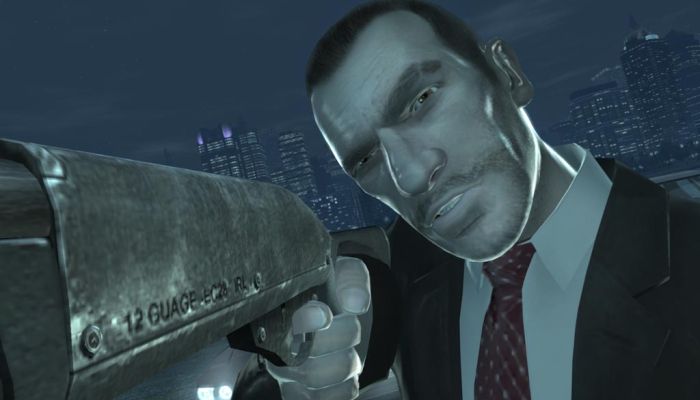
Michael Hollick gives Niko a balance of exhaustion, dry humor, restraint, and sudden anger. He rarely sounds impressed by wealth or status because he has seen what people become when survival removes polite language. Niko’s strength as a protagonist comes from contradiction. He criticizes American greed while working for money. He expresses disgust toward violent criminals while completing their assignments. He wants to protect Roman but repeatedly brings danger closer to him. The game does not present these contradictions as writing mistakes. They are the central conflict of the character. Niko knows that his actions are destructive, but knowledge does not create an easy alternative.
He is also capable of warmth. His interactions with Roman, Little Jacob, Kate, and several other characters reveal patience and humor that his criminal employers rarely see. His relationship with Roman is particularly important. Niko insults his exaggerations and rescues him repeatedly, yet the affection between them remains believable. Roman represents the possibility of ordinary happiness, even when his version of happiness includes gambling problems and terrible decisions. Niko is less interested in becoming a criminal king than Tommy Vercetti or Carl Johnson. He wants security, answers, and some control over what happens next.
That restraint makes the open-world chaos slightly awkward. The player may create a huge police pursuit immediately after Niko criticizes unnecessary violence in a mission scene. Every Grand Theft Auto protagonist experiences some separation between narrative and free play, but the contrast is stronger here because Niko’s moral fatigue is so clearly expressed. Even with that tension, he remains one of Rockstar’s best-written central characters. His silence after certain revelations communicates more than a triumphant speech would have.
Roman Bellic: Hope, Dishonesty, and Emotional Survival
Roman is easy to dismiss as irresponsible. He lies about his success, borrows money from dangerous people, gambles, panics under pressure, and repeatedly creates problems Niko must solve. He is also one of the story’s emotional centers. Roman survives through optimism. His stories about mansions and luxury are not only attempts to impress Niko; they are the version of himself he hopes to become.
Jason Zumwalt voices him with nervous energy and warmth. Roman talks constantly because silence might force him to acknowledge how unstable his life is. His taxi company provides an early connection with the city. It is not impressive, but it represents something legitimate that Roman built. The destruction of his apartment and business carries emotional weight because the loss is personal rather than financial. The buildings are modest, yet they contain the life Roman was trying to defend.
Roman’s frequent phone calls asking Niko to go bowling became one of the game’s most famous annoyances. Mechanically, the invitations interrupt exploration and missions. Narratively, they show that Roman wants connection even when the player is focused on more profitable activities.
The friendship system can make him feel needy, but refusing him repeatedly also reveals something uncomfortable about open-world priorities. I may claim Niko cares about family while treating every social invitation as an obstacle between missions. Roman is not wise or reliable. He remains valuable because he imagines a future beyond revenge, even when his plans for reaching it are absurd.
Little Jacob: Loyalty Without Performance
Little Jacob is one of the few characters whose friendship with Niko feels uncomplicated. He provides work, weapons, support, and conversation without constantly attempting to establish superiority. His dialogue uses heavy Jamaican patois, which may be difficult for some players to understand without subtitles. The performance gives him strong identity and separates his speech from the polished criminal language used elsewhere.
Jacob’s loyalty becomes especially important during later missions. He helps because he trusts Niko, not because he expects ownership over him. The friendship activities provide practical benefits, including access to discounted weapons. More importantly, they create some of the campaign’s calmer moments. Jacob does not require a dramatic betrayal or major personal transformation to remain memorable. In a city where nearly every relationship is transactional, reliability becomes a defining character trait.
The McReary Family: Crime as a Family Tradition
The McReary family introduces Niko to another damaged criminal structure. Packie, Derrick, Gerry, Francis, and Kate represent different responses to loyalty, shame, ambition, and decline. Packie becomes one of Niko’s closest criminal associates. He is capable, sarcastic, and aware that his family’s reputation is larger than its remaining power. Derrick is haunted by his past and weakened by addiction. Gerry remains committed to organized crime even while facing imprisonment. Francis uses his position in law enforcement to protect himself and manipulate Niko. The choice between Derrick and Francis is one of the campaign’s stronger moral decisions because neither brother offers a clean solution. One is damaged and unreliable; the other is corrupt and dangerous.
Kate stands apart from the family’s criminal activity. Her relationship with Niko offers the possibility of emotional honesty, though she remains cautious about his lifestyle. The McRearys give Liberty City a sense of inherited decline. Their criminal identity once carried influence, but the family is now divided by resentment, addiction, law, and competing ideas of loyalty. Their major bank operation remains one of the game’s most memorable missions because it combines family tension, preparation, urban escape, and escalating pressure.
Dimitri Rascalov: Betrayal as a Business Strategy
Dimitri first appears more controlled and reasonable than Mikhail Faustin, the unstable Russian criminal Niko initially works for. He speaks calmly, recognizes danger, and appears capable of making rational decisions. That calmness makes his betrayal more effective. Dimitri does not turn against Niko during an emotional outburst. He treats betrayal as efficient business. He repeatedly survives through manipulation, distance, and other people’s violence. Even when Niko damages his operations, Dimitri continues looking for ways to pressure Roman or exploit earlier relationships.
The character represents one of Niko’s central fears: a person who has removed loyalty entirely and treats every human connection as temporary leverage. Dimitri is not physically imposing, but his willingness to involve families and past enemies makes him dangerous. He understands that hurting Niko directly may be less effective than threatening the people around him. His role in the final choice brings the story back to its earliest betrayal. Accepting a deal with him would mean ignoring everything Niko already knows about his behavior.
Liberty City: Density Over Size
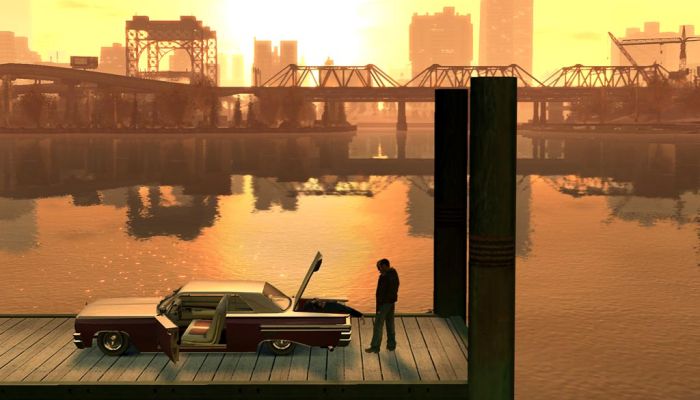
Liberty City is divided across Broker, Dukes, Bohan, Algonquin, and Alderney, with bridges and tunnels connecting the major landmasses. Each region draws from parts of New York City and neighboring New Jersey while maintaining Rockstar’s fictional geography. Broker and Dukes provide the early immigrant neighborhoods, industrial areas, airport routes, residential streets, and small businesses that establish Niko and Roman’s limited position. Bohan is more compressed and worn, with dense roads and visible economic pressure. Algonquin becomes the commercial center, filled with towers, parks, theaters, offices, luxury apartments, and heavy traffic.
Alderney feels more industrial and disconnected. Its highways, warehouses, construction sites, and residential districts provide a colder atmosphere suitable for the later criminal organizations. The city is not enormous by modern standards, but it feels dense. Roads overlap, railway lines cross districts, pedestrians fill sidewalks, and buildings create strong urban canyons. Navigation becomes intuitive after repeated travel. Bridges, tunnels, parks, coastlines, and distinctive towers provide useful landmarks.
The limited number of accessible interiors remains disappointing. Many detailed buildings are only external scenery except during specific missions. The city’s strongest quality is social atmosphere. Different neighborhoods use architecture, traffic, clothing, accents, storefronts, and radio content to suggest distinct communities. Liberty City feels busy without feeling friendly. Crowds create life, but most interactions reinforce anonymity. Niko is surrounded constantly and remains emotionally isolated.
Driving & Vehicle Physics: Heavy, Divisive, and Often Brilliant
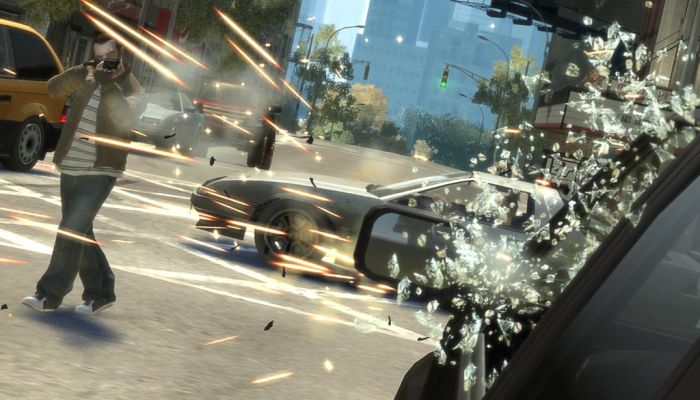
Grand Theft Auto IV’s driving remains one of its most debated features. Cars have visible weight, suspension, body roll, braking distance, and momentum. Turning at high speed requires preparation rather than simply moving the steering input. The first hours can feel frustrating. Vehicles lean dramatically, tires lose grip, and sudden corrections produce spins or collisions. Once I adjust, the system creates satisfying differences between cars. A heavy sedan, sports coupe, taxi, motorcycle, and delivery van require noticeably different approaches. Speed becomes more meaningful because it carries risk. Driving through Algonquin traffic at full acceleration demands awareness of intersections, pedestrians, parked vehicles, and road width. Crashes use detailed physics. Vehicles deform, windows break, panels bend, and passengers react to momentum. Even minor collisions feel physical.
The handling suits the game’s heavier tone. Cars are not frictionless toys, and escaping police requires more than holding the accelerator. Motorcycles are especially dangerous. A small impact may throw Niko across the road, though successful high-speed movement feels rewarding. The camera sometimes struggles to keep up with sharp turns. Narrow streets and low visibility can also make sudden traffic changes difficult to anticipate. Players accustomed to the lighter handling of Grand Theft Auto V may initially dislike the system. For me, IV’s vehicles create more personality and tension, even when they occasionally turn a simple journey into an argument with suspension physics.
Violence With Physical Consequences
The combat system introduces a dedicated cover mechanic, improved manual aiming, blind fire, weapon switching, and more detailed reactions to damage. Niko can attach to walls, vehicles, barriers, and other objects. This provides a clearer structure for firefights than the manual positioning required in earlier games. The cover system has aged unevenly. Niko may connect to the wrong surface, move awkwardly around corners, or refuse the exact position I intended.
Manual aiming remains functional but less smooth than modern third-person shooters. Close-range camera movement can become uncomfortable, while enemies occasionally absorb more damage than expected. The weapon selection includes pistols, shotguns, submachine guns, assault rifles, sniper rifles, explosives, and heavy weapons. The arsenal is practical but less exaggerated than those of San Andreas or The Ballad of Gay Tony. The Euphoria animation system gives combat extraordinary physical weight. Characters stumble, grab nearby surfaces, react to impacts, fall down stairs, and attempt to recover according to force and environment.
These reactions make every encounter feel less scripted. An enemy struck near a railing may lose balance differently from one standing in an open room. Vehicle collisions also gain impact from this system. Pedestrians and passengers react dynamically, creating situations that are sometimes realistic, sometimes darkly comic, and occasionally uncomfortable. The detail supports the game’s serious tone, though repeated gunfights remain mechanically familiar. Most missions still involve reaching a location, using cover, removing several groups, and escaping.
Strong Set Pieces Inside a Repetitive Framework
Grand Theft Auto IV’s missions are generally more polished than those of earlier entries, but the core structure becomes repetitive. Niko often drives to a location, watches a scene, follows or attacks someone, completes a firefight, and escapes. The writing and characters disguise repetition effectively during the first half. I remain interested because the jobs reveal new relationships and neighborhoods. Later, the pattern becomes harder to ignore. Many criminal employers solve problems by sending Niko to remove another group inside a warehouse, apartment, construction site, or street.
The best missions use location and character together. The bank operation with Packie, several chases through dense streets, the confrontation with Niko’s former unit, and the final decisions remain memorable. Vehicle pursuits benefit from the physics because every turn has weight. They can also become frustrating when traffic creates failure outside the player’s control. Checkpoints are more generous than in the PlayStation 2-era games but remain limited by modern standards. A late mistake may require repeating substantial combat or travel.
The Complete Edition’s later versions improve some restart convenience, yet the campaign still values repetition more than contemporary design usually would. The game also restricts player creativity during missions. Leaving the expected area, using an unusual route, or preparing an alternative vehicle may trigger failure or script problems. This creates tension between the open world and Rockstar’s tightly directed scenarios. The city promises freedom, while missions frequently demand obedience.
Choices & Consequences: Limited Quantity, Strong Emotional Weight
Grand Theft Auto IV introduces several decisions that affect character survival, rewards, friendships, and the final outcome. These choices are not constant. Most missions still have one required conclusion. The important decisions stand out because they arrive after enough time with the characters involved. Choosing between Playboy X and Dwayne Forge is especially effective. Playboy represents ambition and self-invention, while Dwayne is damaged by prison, loneliness, and the realization that his former world moved on without him.
The practical reward may influence the decision, but the emotional context matters. Niko recognizes aspects of himself in Dwayne’s isolation. The choice involving Derrick and Francis McReary presents less sympathetic options. Both men have serious flaws, and the consequences are more complicated than identifying a clear moral answer.
The final decision between deal and revenge is the campaign’s central test. Niko must decide whether money and Roman’s optimism justify cooperating with Dimitri, or whether revenge is worth another cycle of violence. Neither path provides the happiness Niko wants. The loss changes, but the city still collects a price. The choices are effective because they do not transform Niko into a hero. They ask what kind of compromise he can live with.
Friendships, Dating & Phone Calls: Human Connection as a Gameplay System
Niko can develop friendships with several characters by accepting invitations to activities such as bowling, drinking, eating, playing pool, attending shows, or visiting clubs. Maintaining these relationships unlocks practical benefits. Roman can provide taxi transportation, Little Jacob offers weapon access, and other friends provide specialized assistance. The system attempts to make relationships exist outside mission scenes. Characters call because they want time with Niko, not only because they need another dangerous job completed.
This is a strong idea implemented with too much interruption. Invitations arrive while I am travelling, preparing for missions, or pursuing another objective. Repeatedly refusing can damage the relationship, creating pressure to participate in activities I may not currently want. The activities themselves become repetitive. Bowling or drinking is amusing occasionally but cannot support the number of invitations generated over a long campaign.
Dating uses a similar structure. Different characters have preferences, locations, and potential rewards. The system contributes to Niko’s attempt to build an ordinary life. It also makes personal relationships feel like meters requiring maintenance. A better version would reduce invitation frequency, offer clearer scheduling, and provide more varied conversations or activities. Despite the annoyance, the friendships create valuable quieter moments. Liberty City becomes more human when Niko spends time with people who are not actively shooting at him.
Radio, Music & Talk Shows: A City Arguing With Itself
Grand Theft Auto IV offers a broad radio selection covering hip-hop, rock, electronic music, jazz, reggae, dance, Eastern European music, pop, and talk programming. The soundtrack reflects Liberty City’s communities rather than one nostalgic decade. Different stations feel connected with neighborhoods, clubs, immigrant groups, and cultural scenes. Vladivostok FM is especially important early because it connects Niko with Eastern European music and the immigrant environment surrounding Broker.
Talk radio provides satire about politics, wealth, fear, celebrity, technology, masculinity, and American consumer culture. Advertisements continue Rockstar’s tradition of creating fictional products that sound only slightly more absurd than real ones. News reports react to story events, making Niko’s actions part of the city’s public narrative.
The original soundtrack changed in later versions because of licensing expiration, making some releases musically different from the launch experience. That loss matters because radio is part of the city’s atmosphere. The audio design outside the radio is equally strong. Traffic, horns, elevated trains, distant sirens, pedestrians, weather, and construction produce a convincing urban soundscape. Gunfire and vehicle impacts have greater weight than in previous entries, supporting the more physical presentation.
Graphics & Art Direction: Cold Streets, Natural Light, and Urban Weight
Grand Theft Auto IV uses a muted palette dominated by gray concrete, brown brick, industrial metal, cloudy skies, and restrained color. The visual direction reinforces Niko’s disappointment. Liberty City is not the bright promise Roman described. It is crowded, dirty, expensive, and often overcast.
Weather and lighting create strong atmosphere. Rain reflects across roads, fog hides distant towers, and low sunlight gives industrial districts a tired beauty. Character faces and animation were impressive for the time. Expressions, body language, and physical reactions allow scenes to depend on performance rather than constant exposition. The city contains dense environmental detail. Shop signs, rubbish, fire escapes, road surfaces, advertisements, interiors, and traffic all support the sense of a lived-in place.
The image can appear overly soft or brown on certain versions. Heavy post-processing and limited resolution may reduce clarity compared with modern releases. The Complete Edition on PC can look excellent at high resolution, but official optimization and graphical options have not always matched the hardware demands. The art direction remains effective because it serves the story. Liberty City looks like a place that sells dreams through illuminated signs while making ordinary life feel exhausting.
Technical Performance: A Demanding PC Legacy
Grand Theft Auto IV developed a difficult reputation on PC because of demanding performance, inconsistent frame pacing, launcher complications, and settings that did not always scale logically with hardware. The Complete Edition combines the main game and expansions into one modern package, but technical results still vary by system.
Powerful contemporary computers can run the game at high resolution, yet very high frame rates may produce unexpected physics, timing, or scripting problems. Older games were not always designed for unlimited performance. Traffic density, view distance, shadows, reflections, and night scenes can place substantial strain on the engine. Stuttering may occur while moving quickly through dense areas. Long sessions and particular settings can also expose memory or stability issues.
Community fixes are frequently used to improve frame pacing, restore missing features, adjust graphical behavior, or solve controller and display problems. That flexibility is valuable, though a classic sold on modern platforms should not depend so heavily on unofficial assistance. Console versions offer a more standardized experience but may use lower resolution or frame-rate targets depending on hardware and compatibility mode. Loading is generally reasonable by modern standards, and the absence of constant online requirements inside the campaign keeps the experience focused once it starts. The game is playable, but the PC edition requires more patience than its age and visual complexity might suggest.
The Lost and Damned: Brotherhood Collapsing From Within
The Lost and Damned shifts focus from Niko to Johnny Klebitz, vice president of The Lost Motorcycle Club’s Alderney chapter. Johnny has been leading while club president Billy Grey receives treatment. Under Johnny, the club has attempted to reduce unnecessary conflict and establish more stable business. Billy’s return destroys that balance. He values aggression, status, and old rivalries, interpreting caution as weakness.
Johnny is less reflective than Niko but more concerned with group identity. His decisions revolve around protecting the club even when he recognizes that its internal structure is failing. Scott Hill voices him with exhaustion and restrained anger. Johnny sounds like someone who has spent too long solving problems created by people who claim authority over him.
Motorcycles become central to movement. Riding in formation with club members restores health and armor, encouraging the player to remain with the group rather than treating companions as disposable. Bike handling is adjusted to make motorcycles more practical than in the main game. This suits the expansion but also makes the physical differences between campaigns noticeable.
The story is shorter and more concentrated. It focuses on loyalty, addiction, internal betrayal, rival clubs, and the danger of defining family through an organization incapable of protecting its members. Johnny’s relationship with Ashley introduces another destructive bond. He cares about her while recognizing that addiction makes trust and stability almost impossible.
The Lost and Damned has a rough visual tone, heavier music, and less glamour. It presents Liberty City from garages, clubhouses, industrial roads, and criminal networks built around motorcycles. Its greatest weakness is limited mission variety. Many jobs involve riding, attacking rival groups, protecting club members, or transporting criminal goods. The expansion remains valuable because it shows the same city through a different form of loyalty. Niko searches for a new life; Johnny watches his existing one collapse.
The Ballad of Gay Tony: Excess Returns to Liberty City
The Ballad of Gay Tony follows Luis Lopez, business partner and protector of nightclub owner Anthony “Gay Tony” Prince. Luis moves through a wealthier and more spectacular side of Liberty City. Clubs, celebrities, luxury apartments, helicopters, powerful weapons, and high-risk deals replace much of the main campaign’s restraint. Tony is charismatic, insecure, financially overextended, and dependent on substances. His nightlife empire looks glamorous from the outside while remaining close to collapse. Luis acts as the practical force keeping the business alive. He manages security, completes dangerous jobs, and attempts to protect Tony from his own decisions. Mario D’Leon gives Luis confidence and frustration without making him emotionless. He understands the value of Tony’s loyalty but resents being forced to repair every crisis.
The expansion reintroduces more exaggerated action. Missions include parachuting, aerial attacks, explosive set pieces, nightclub management, high-powered vehicles, and scenarios closer to San Andreas spectacle. This tonal shift is deliberate. The same city that looked gray and oppressive to Niko becomes a brightly lit playground for characters operating near celebrity culture. Scoring systems encourage replay by rating mission performance through time, accuracy, damage, and other objectives. This gives the shorter campaign additional challenge.
The weapons and vehicles are more entertaining than those of the main story. Explosive shotguns, advanced firearms, helicopters, and parachutes expand the sandbox considerably. The Ballad of Gay Tony occasionally overcorrects by prioritizing spectacle over emotional depth. Luis is compelling, but the rapid missions leave less room for reflection than Niko’s campaign. It remains the most mechanically varied part of the Complete Edition and a strong response to players who considered Grand Theft Auto IV too restrained.
Three Stories, One City: The Complete Edition’s Greatest Strength
The Complete Edition becomes more valuable when the campaigns are treated as connected perspectives rather than separate products. Major events overlap. A diamond deal, museum exchange, bank operation, and several criminal relationships appear from different viewpoints.
Seeing the same situation through Niko, Johnny, and Luis reveals how little each protagonist understands about the complete conflict. An object that seems central to one campaign may become a temporary problem in another. Characters cross paths without recognizing the emotional importance they hold elsewhere. The shared city also changes according to perspective. Niko experiences immigrant neighborhoods and criminal employment. Johnny moves through biker territory and industrial Alderney. Luis enters clubs, luxury spaces, and celebrity networks.
This structure makes Liberty City feel larger without changing the map. Social access creates different worlds inside the same geography. The tonal progression is also effective. The main game establishes the serious foundation, The Lost and Damned explores institutional collapse, and The Ballad of Gay Tony provides a brighter, faster final movement. Playing all three campaigns can still become repetitive because the map, driving, and basic combat remain shared. The complete package is substantial, and moving directly from one story to another may create fatigue. Spacing the campaigns allows their differences to feel stronger.
Multiplayer Legacy: Ambitious Ideas With Reduced Modern Relevance
Grand Theft Auto IV originally offered multiplayer modes supporting free roaming, races, cooperative jobs, competitive matches, and citywide chaos. The physics and dense urban map made multiplayer entertaining because collisions, police behavior, and improvised pursuits produced unpredictable situations. The Complete Edition’s modern PC release no longer preserves the original multiplayer experience officially in the same form. Community solutions may exist, but they are not equivalent to a fully supported service.
This loss matters historically because GTA IV multiplayer helped establish ideas Rockstar later expanded enormously through Grand Theft Auto Online. For a current review, the Complete Edition should be treated primarily as a single-player package. The three campaigns contain enough material to justify that focus, but players expecting a functioning official online population should understand the limitation.
Monetization & Overall Value: Three Complete Campaigns Without a Storefront
Grand Theft Auto IV: The Complete Edition contains the main game, The Lost and Damned, and The Ballad of Gay Tony in one package. There are no premium currencies, rotating cosmetic shops, paid weapon advantages, or battle passes inside the campaigns. Progression comes through missions, money, relationships, weapons, safehouses, vehicles, and story completion. The combined package offers substantial value. The main campaign alone is lengthy, while the expansions add distinct protagonists, tones, weapons, vehicles, and missions.
The strongest purchasing concern is technical quality rather than content quantity. PC players may need adjustments or community fixes to achieve the experience they expect. Music licensing changes mean that the current package does not preserve every track from the original releases. Even with those issues, the Complete Edition is a complete crime anthology rather than a platform designed around recurring spending.
Who Should Play Grand Theft Auto IV: The Complete Edition?
The package is ideal for players who value character-driven crime stories, dense urban worlds, realistic vehicle weight, physical animation, and a more restrained Grand Theft Auto tone. Fans of Niko Bellic will receive the fullest version of his story alongside two campaigns that broaden Liberty City meaningfully. Players who enjoyed the absurd variety of San Andreas may prefer The Ballad of Gay Tony to the main campaign. Those interested in loyalty and internal criminal conflict may connect more strongly with The Lost and Damned.
Anyone expecting the lighter driving, large countryside, extensive customization, or modern convenience of Grand Theft Auto V should prepare for a different experience. PC players should be comfortable adjusting settings and possibly researching community fixes. Players who dislike repeated driving, cover-based shooting, frequent phone calls, or long campaigns may find the package exhausting.
Final Verdict: Rockstar’s Most Complete Portrait of Liberty City
Grand Theft Auto IV: The Complete Edition remains exceptional because it presents one city through three different forms of loyalty. Niko Bellic wants to protect Roman, confront the betrayal that shaped his past, and discover whether a new country can provide a genuinely new life. Johnny Klebitz tries to preserve a brotherhood whose leadership is destroying it. Luis Lopez protects Tony Prince while navigating a world where luxury and collapse occupy the same nightclub table.
The main campaign contains the strongest writing and emotional weight. Niko’s exhaustion, Roman’s optimism, Dimitri’s calculated betrayal, and the McReary family’s decline create a crime story that rarely celebrates its own violence. The Lost and Damned is narrower but valuable. Its motorcycles, club structure, and internal conflict reveal another Liberty City built around industrial roads and failing loyalty.
The Ballad of Gay Tony is the most mechanically entertaining chapter. It adds brighter color, larger set pieces, stronger weapons, parachutes, helicopters, and nightclub energy without abandoning the shared world. Liberty City itself remains one of Rockstar’s best environments. It is dense, unpleasant, funny, culturally varied, and capable of making a short drive feel like a complete urban event.
The mechanics show their age. Gunplay is stiff, missions become repetitive, checkpoints can be unforgiving, and the PC version still carries technical baggage. The heavy driving will remain either a major strength or an immediate frustration depending on player preference. I recommend Grand Theft Auto IV: The Complete Edition to players who value serious crime drama, strong protagonists, physical vehicle handling, urban atmosphere, and interconnected storytelling. Those seeking pure sandbox variety may need patience during the slower main campaign, but The Ballad of Gay Tony provides a more spectacular alternative inside the same package.
Personal rating: 9/10.
Grand Theft Auto IV: The Complete Edition earns that score for Niko Bellic, Liberty City’s density, outstanding physical animation, meaningful character relationships, memorable radio, strong vehicle identity, and two expansions that reinterpret the same world intelligently. It loses one point for repetitive missions, aging combat, intrusive friendship systems, weak PC optimization, missing licensed music, and reduced official multiplayer functionality.
Liberty City promises each protagonist something different. Niko wants a new beginning, Johnny wants his old family to survive, and Luis wants success without watching Tony collapse. The city gives all three of them work, money, danger, and just enough hope to keep them from leaving.
Pros

- Immersive narrative that deeply engages players throughout the storyline.
- Expansive open-world design offering a dynamic urban environment.
- Extensive mod support that allows players to customize visuals and gameplay.
- Responsive and intuitive controls that enhance the gaming experience.
- Detailed graphics and atmospheric design that capture the essence of the city.
- Robust community support with numerous user-generated contents and fixes.
- Modern updates and compatibility that ensure smoother performance on current hardware.
Cons

- Some control mechanics and physics feel dated compared to newer titles.
- Performance issues may still arise on older hardware despite updates.
- Occasional bugs and glitches that can interrupt the immersive experience.
Leave a comment
Your comment is awaiting moderation. We save your draft here
0 Comments