





A Frozen Road Movie With a Warm Center
The scene that defines Ice Age for me is not Scrat chasing his acorn or Sid talking himself into another problem. It is Manny walking away from the herd while every other animal moves in the opposite direction. The image is simple, but it tells me almost everything about him before the film explains his past. He is large, capable, and completely isolated by choice. This Ice Age review begins there because the movie’s greatest strength is the way it places a deeply emotional story inside a broad prehistoric comedy.
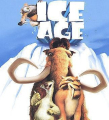
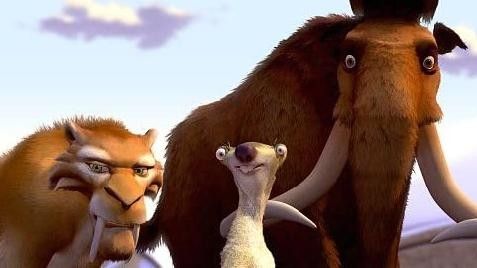
Released in 2002 and directed by Chris Wedge, Ice Age follows Manny, a solitary woolly mammoth; Sid, an abandoned and extremely talkative sloth; and Diego, a saber-toothed cat secretly working for a predator pack. Their lives become connected after they find a human baby and decide to return him to his family.
The setup turns the film into a road movie. The characters cross frozen landscapes, escape natural dangers, argue constantly, and gradually become something none of them expected: a family.
Ice Age is often remembered for Scrat and his endless struggle to protect one acorn. That running joke became the franchise’s most recognizable image, but the first movie works because it does not rely entirely on him.
The emotional center belongs to Manny. His grief gives the journey weight, while Sid’s loyalty and Diego’s changing conscience prevent the film from becoming a simple rescue adventure. The animation has aged, especially in textures, human faces, and background detail. The character writing remains strong enough to make those technical limits easy to forgive.
Ice Age is funny, compact, occasionally dark, and more emotionally direct than many later entries in the series. It understands that family entertainment does not need to avoid sadness. It only needs to give sadness a reason to lead somewhere hopeful.
Plot & Storytelling: One Baby Changes the Direction of the Journey
The film begins during a massive animal migration. Herds move south to escape the approaching cold, while Manny deliberately walks north. His choice immediately separates him from the community. He does not explain where he is going, and he shows no interest in joining the other animals.
Sid is also separated from his group, though not by choice. His family leaves without waking him, apparently hoping the migration will finally provide an opportunity to escape his constant talking and dependence. After irritating two rhinoceroses, Sid hides behind Manny and decides that the mammoth has become his new protector.
Manny rejects this idea repeatedly. Sid ignores every rejection. Their reluctant partnership becomes more complicated when they encounter a human woman and her baby near a waterfall. The woman sacrifices herself to keep the child away from a pack of saber-toothed cats.
Manny and Sid recover the baby and decide to return him to the human settlement. Manny is initially reluctant, but Sid insists that leaving the child alone would be wrong. Diego enters the group while pretending to help. In reality, he has been ordered by pack leader Soto to guide Manny and the baby into an ambush. The predators want revenge against the human tribe after hunters attacked their group. The baby is both target and symbol.
This gives Diego a clear internal conflict. He begins with loyalty to his pack but gradually experiences care, trust, and sacrifice inside Manny and Sid’s improvised group. The road structure allows the film to develop relationships through small incidents rather than constant plot twists. The characters cross ice caves, sleep beside one another, play with the baby, encounter migrating animals, and survive dangerous terrain. These scenes matter because the final loyalty between them would feel unearned without ordinary time spent together.
The baby, often called Roshan, does not speak but changes each character differently. Sid sees an opportunity to become important. Diego initially sees an assignment. Manny sees a painful reminder of the family he lost. The story gradually reveals that humans once attacked Manny’s herd, resulting in the deaths of his mate and child.
This memory explains why Manny avoids community and why protecting Roshan becomes emotionally difficult. The baby belongs to the same species connected with his loss. The film does not simplify Manny’s reaction. He does not immediately forgive humanity. He chooses to protect one vulnerable child despite the pain attached to that choice. Diego eventually warns Manny and Sid about the ambush. His confession breaks the trust they had begun to develop, but it also proves that his loyalty has changed.
The final confrontation with Soto’s pack completes Diego’s transformation. He risks himself to protect Manny and the baby. After the predators are defeated, the group reaches the human tribe and returns Roshan to his father. The reunion is warm without becoming excessively sentimental. Manny does not join the humans or receive a replacement for his lost family. He simply understands that protecting the child mattered. The trio then continues together, no longer traveling as accidental companions.
Manny: Grief Hidden Behind Irritation
Manny is one of the strongest protagonists in early computer animation because his personality is built from emotional contradiction.
He is physically powerful but avoids responsibility for others. He appears impatient but repeatedly chooses to help. He claims to prefer solitude while protecting Sid from the moment they meet.
Ray Romano gives Manny a dry, weary voice that fits the character’s size and emotional distance. He sounds like someone who has already decided that enthusiasm is dangerous.
Manny’s humor rarely comes from deliberate jokes. It comes from his reactions to Sid, the baby, and the increasingly ridiculous journey. His expression and vocal pauses often communicate more than the dialogue. He does not need a speech to show that Sid has exhausted him.
The discovery of the cave painting is Manny’s most important scene. Images of mammoths and human hunters force him to confront a memory he has tried to bury. The film presents the loss through visual fragments rather than long exposition. Manny’s partner and child are surrounded, trapped, and taken from him. His grief explains why he walks against the migration. He is not searching for adventure. He is avoiding the possibility of belonging again.
Roshan changes him because the baby requires care without understanding Manny’s history. The child responds to warmth and safety rather than species conflict. Manny’s choice to protect Roshan becomes an act of emotional courage. It would be easier to treat the child as part of the group responsible for his suffering. Instead, Manny separates one innocent life from the violence of the past.
The film does not erase his grief. By the end, Manny remains serious and guarded. What changes is his willingness to travel with others. That restraint makes his arc more convincing. He does not become cheerful because the story is over. He becomes open to connection.
Sid: Annoying, Loyal, and More Important Than He Looks
Sid is introduced as a comic burden. He talks constantly, misunderstands danger, lacks physical ability, and assumes companionship exists before anyone agrees. John Leguizamo gives Sid a distinctive voice built around slurred pronunciation, nervous speed, and exaggerated confidence. The performance could easily become unbearable. It works because Sid’s insecurity remains visible beneath the noise.
His family abandons him, and the film treats this as a joke before gradually revealing the loneliness behind it. Sid attaches himself to Manny because he needs protection, but he also offers something Manny lacks. He insists on emotional involvement.
Without Sid, Manny might have left Roshan behind. Sid is the first character to declare that returning the baby is their responsibility. His motives are not entirely selfless. He enjoys imagining himself as a caregiver and receives attention from other sloths after appearing with the baby.
Still, he consistently protects Roshan and remains committed to the mission even when the journey becomes dangerous. Sid also acts as the group’s emotional glue. Manny and Diego are both guarded, while Sid speaks openly about friendship long before either is comfortable with the idea. His loyalty becomes especially important after Diego reveals the ambush. Sid is angry and frightened, but he remains focused on the baby.
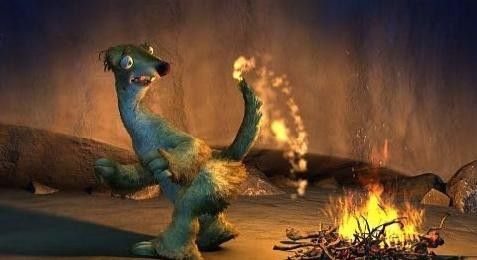
The humor around Sid sometimes becomes repetitive. He falls, speaks too much, or misreads a situation in several similar scenes. The character remains effective because the film allows him to be useful. He starts fires, distracts enemies, cares for Roshan, and refuses to abandon Manny. Sid may be the least capable member physically, but he is the first to understand what the group could become.
Diego: A Predator Learning to Choose His Own Pack
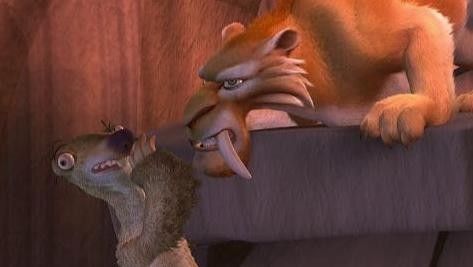
Diego begins as the most dangerous character in the group. He is intelligent, controlled, and skilled at appearing trustworthy. Denis Leary gives him a sharp, restrained delivery. Diego sounds irritated by almost everyone, but unlike Manny, his distance is initially strategic rather than emotional.
His mission is clear: lead Manny, Sid, and the baby into Soto’s ambush. The film gradually makes that mission more difficult by allowing Diego to experience trust from people who have no reason to offer it. Manny saves Diego during a dangerous fall even after recognizing that the saber-toothed cat may be hiding something. That rescue changes the relationship. Diego understands loyalty within his predator pack as obedience and shared aggression. Manny demonstrates loyalty through personal risk.
Roshan also treats Diego without fear. The baby’s trust forces him to see the target as an individual. Diego’s change is gradual enough to remain believable. He does not immediately confess or become friendly. He continues guiding the group toward danger while becoming increasingly uncomfortable with the plan. When he finally reveals the ambush, Manny’s anger is justified. Diego has betrayed them for most of the journey. The film does not allow one confession to erase that fact. Diego must prove his new loyalty during the confrontation.
His apparent sacrifice provides the climax with emotional force. The group believes he has died protecting Manny. The later reveal that he survived is predictable, but welcome. His recovery allows the newly formed family to continue together. Diego’s arc is simple but effective: he moves from serving the pack he was given to choosing the family he has earned.
Scrat: The Acorn Chase That Became a Franchise
Scrat exists almost entirely outside the main story. He appears at the beginning, between major scenes, and during the ending. His objective never changes. He wants to protect or recover one acorn.
The comedy comes from the enormous consequences created by this tiny goal. Cracks spread through ice, landscapes shift, and dangerous events begin because Scrat refuses to let go. Chris Wedge provides the character’s vocal sounds, turning panic, effort, hope, and frustration into a language without words.
Scrat is effective because his scenes are short. They interrupt the emotional story without replacing it. Each appearance resets the tone through pure physical comedy. The audience does not need to remember dialogue or plot details.
The animation gives Scrat extreme flexibility. His eyes widen, body stretches, limbs shake, and teeth become part of the physical joke. The character became the franchise’s most recognizable mascot, but the first film uses him with restraint.
Later entries would expand his role and connect him with increasingly large disasters. Here, he remains a comic rhythm between the more emotional sections. That balance is important. Too much Scrat would weaken the central journey. Too little would remove one of the film’s most distinctive elements.
Supporting Characters & Voice Cast: Small Roles With Clear Personalities
Soto leads the saber-toothed pack with calm authority. Goran Višnjić gives him a controlled voice that makes the threat feel more serious than a loud villain might.
Soto’s motivation comes from revenge against the human tribe. He wants Roshan because the child represents a personal response to the hunters’ violence. The film does not explore his perspective deeply, but his anger parallels Manny’s grief in an interesting way. Both have been harmed by humans. Manny chooses to protect the baby, while Soto chooses collective punishment.
This contrast gives the central conflict more meaning than a simple predator attack. Jack Black voices Zeke with explosive energy. The character is aggressive, impatient, and frequently more excited by violence than the other members of the pack. Cedric the Entertainer gives Carl the rhinoceros a loud, offended personality, while Stephen Root’s Frank acts as his equally irritated partner.
Their early confrontation with Sid establishes the film’s broad comic tone. The human characters do not speak in understandable dialogue. Their emotions are communicated through movement, expression, and music. This decision keeps the animal perspective central. Humans remain recognizable but slightly distant, as they would be to the main characters.
Roshan is expressive enough to function as a character despite lacking speech. His laughter, fear, and curiosity shape the group’s behavior. The supporting cast is not deeply developed, but most characters have clear voices and purposes. The film’s compact running time prevents the ensemble from becoming overcrowded.
Humor & Comedy Style: Sloth Jokes, Physical Chaos, and Dry Reactions
Ice Age uses several forms of comedy. Sid provides verbal humor, Scrat delivers silent physical comedy, and Manny contributes dry reactions.
The contrast between these styles gives the film variety. Sid’s constant talking becomes funnier because Manny responds with minimal patience. A single look from the mammoth can complete a joke without additional dialogue.
Scrat’s scenes depend on anticipation. I understand exactly what he wants and can usually see the disaster approaching before he does. The baby creates another source of humor. Manny, Sid, and Diego have no experience caring for a human child, so ordinary needs become complicated problems.
The film also uses prehistoric reinterpretations of familiar behavior. Migration resembles holiday travel, animals form social groups, and childcare becomes a performance of confidence by characters who are clearly unprepared.
Some jokes have aged less successfully. A few rely on broad stereotypes, bodily functions, or behavior repeated until the original surprise disappears. The movie’s humor is generally less aggressive than in later franchise entries. It allows emotional scenes to remain serious without forcing an immediate joke into every pause.
This is one of its greatest advantages. The cave-painting scene is not interrupted by Sid falling or Scrat appearing. The filmmakers understand that comedy becomes more effective when the story includes contrast. My first criticism is that Sid’s voice and repeated chatter may become tiring for viewers who do not enjoy the character.
My second complaint is that a few supporting-animal jokes exist only for one obvious trait. The characters appear, deliver the expected behavior, and disappear. Still, the central comic trio works because each character approaches the same problem differently.
Visual Design & Animation: Early CGI With Strong Artistic Direction
Ice Age was Blue Sky Studios’ first feature-length animated film, and its early computer-animation technology is visible. Fur appears simpler than in modern films. Human faces are stiff, environmental textures lack detail, and some movement feels less natural.
These technical limits do not destroy the movie because the character designs are strong and readable. Manny’s enormous body, curved tusks, small eyes, and heavy movement communicate both strength and emotional weight.
Sid’s long neck, uneven eyes, and loose posture match his unpredictable personality. Diego’s sharper face and controlled movement make him appear dangerous even while standing still. Scrat’s design is built entirely around comic anxiety. His large eyes, stretched body, sharp teeth, and oversized tail make every reaction visible.
The frozen environments use cool colors, open space, ice formations, caves, snow, and distant mountains. The world often feels empty, which supports Manny’s emotional isolation.
Warmer colors appear during memories, firelit conversations, and the human camp. This contrast gives emotional meaning to the environments. The ice-cave sequence is one of the most visually inventive parts of the film. Frozen creatures, reflective surfaces, and unstable pathways create both comedy and danger.
The cave paintings are simpler but more emotionally powerful. Their flat images connect prehistoric art with Manny’s memory. The film’s visual style avoids excessive realism. Animals have exaggerated proportions and human expressions, allowing the animation to remain flexible. The art direction has aged better than the rendering technology. Ice Age may not look modern, but it still has a clear identity.
Music, Direction & Pacing: A Compact Journey With Room for Silence
Chris Wedge directs Ice Age with an efficient structure. The film introduces Manny, Sid, Diego, Roshan, and the central mission quickly. The journey then moves through a series of obstacles without losing the emotional direction.
Carlos Saldanha served as co-director, helping shape the physical comedy and road-movie rhythm that would become central to the franchise. The pacing is one of the film’s strongest qualities. It moves fast enough for younger audiences but pauses when character development requires space.
Manny’s cave-painting memory receives silence and visual focus. Diego’s confession is allowed to create anger. The final human reunion is not rushed into another action scene. David Newman’s score supports the film with playful woodwinds, broad adventure music, and warmer themes for Manny and Roshan. The music does not dominate the experience, but it helps connect comedy with emotional material.
Scrat’s sequences use sharp musical timing, turning every movement into part of a visual rhythm. The action scenes remain clear. I understand the geography of the ice bridge, the cave, the ambush, and the final confrontation. The film’s direction is less confident when handling large animal crowds. Some early migration scenes appear visually sparse by modern standards.
The compact running time prevents the story from becoming repetitive. Later Ice Age sequels would continue adding villains, relatives, disasters, and comic side characters. The original succeeds partly because it knows when to stop.
Themes & Emotional Meaning: Family Can Be Chosen After Loss
The central theme of Ice Age is chosen family. Manny, Sid, and Diego do not belong together naturally. They represent different species, temperaments, and social instincts. Their connection forms through repeated acts of care rather than shared origin.
Sid chooses Manny before Manny accepts him. Manny protects Roshan despite his history with humans. Diego rejects his original pack after discovering a different form of loyalty. The baby becomes the reason they travel together, but the family exists after the baby is returned. Manny’s grief gives this theme emotional depth. He does not begin as someone searching for a replacement family.
He begins by avoiding every possibility of attachment. Protecting Roshan forces him to confront the belief that loving another person only creates the risk of another loss. The film does not suggest that a new family erases the old one. Manny’s mate and child remain part of him. Healing means allowing future relationships to exist beside grief. Diego’s story explores another kind of family choice. His predator pack gives him identity and purpose, but its loyalty depends on obedience.
Manny and Sid offer trust without demanding that he remain the person he was. Sid contributes through persistence. He is abandoned by his relatives but refuses to accept that isolation should define him.
The movie also examines cycles of revenge. Humans harmed Manny and Soto’s pack. Soto responds by targeting a human child. Manny interrupts the cycle by protecting Roshan instead. That moral choice is more powerful because the film acknowledges his pain. Forgiveness does not require pretending the original harm never happened.
Critical Reception & Lasting Reputation: The Beginning of a Much Larger Franchise
Ice Age received generally positive reviews, especially for its voice cast, humor, emotional story, character chemistry, and Scrat’s physical comedy. Critics often praised the film’s ability to combine broad family entertainment with a surprisingly sincere story about grief and belonging.
Ray Romano, John Leguizamo, and Denis Leary created a central trio with distinct personalities and strong comic contrast. The animation received a more mixed response. Even at release, some reviewers noted that the film looked less technically advanced than the strongest work from competing studios.
The designs and storytelling were strong enough to overcome those limitations for many viewers. Ice Age became a major commercial success and established Blue Sky Studios as an important name in feature animation. The film led to multiple sequels, short films, television projects, games, and merchandise. Scrat became especially important to the franchise’s public identity. Later installments expanded the world through new relatives, romantic partners, pirates, dinosaurs, continental disasters, and increasingly large supporting casts.
That expansion makes the simplicity of the original more noticeable. Ice Age is focused on one baby, three travelers, and one journey. Its emotional reputation has remained strong because Manny’s backstory adds a level of sadness many viewers did not expect from the marketing. The film is also frequently revisited as an example of early-2000s animation that survives through character writing rather than technical perfection. Some jokes and visual effects have aged. The central relationship has not.
Final Verdict: The Warmest Film in a Very Cold Franchise
Ice Age remains the strongest film in its series because it understands that the central relationship matters more than the prehistoric setting. The ice, migration, predators, and human tribe create the adventure. Manny, Sid, Diego, and Roshan create the reason to care. Manny is an excellent protagonist because his isolation has emotional logic. He does not dislike others simply to produce comedy. He is protecting himself from another loss.
Sid appears selfish and irritating, yet he becomes the first character to insist that the baby must be saved. Diego begins as a traitor and changes because he experiences loyalty that does not depend on fear. Roshan cannot explain what he needs, but his vulnerability reveals the best and worst possibilities in everyone around him.
Ray Romano, John Leguizamo, and Denis Leary create a trio that remains appealing because the characters do not become identical after forming a family. Manny stays serious. Sid keeps talking. Diego remains dry and guarded. Their differences become part of the relationship rather than problems the ending must remove.
The animation has clearly aged. Modern audiences will notice simple fur, stiff human faces, and less detailed environments. The artistic direction and emotional storytelling remain effective. The frozen world supports the themes of loneliness and survival without overwhelming the characters.
Scrat is used perfectly. His acorn chase offers comic relief in short bursts and never replaces the main narrative. I recommend Ice Age to families, animation fans, viewers who enjoy road movies, and anyone looking for a comedy with a genuine emotional center.
Personal rating: 8.5/10.
Ice Age earns that score for Manny’s powerful arc, strong voice performances, memorable character chemistry, efficient pacing, Scrat’s physical comedy, and a sincere message about chosen family. It loses points for dated animation, a lightly developed villain, repetitive Sid jokes, and supporting characters with limited depth.
The film begins with animals running from the cold. Its real story is about three lonely characters discovering that survival feels very different when someone chooses to walk beside you.
Pros

- Engaging blend of humor and emotion that resonates with viewers.
- Stunning and meticulously detailed animation that brings the ice-bound world to life.
- Dynamic and relatable characters with well-developed backstories.
- High-caliber voice acting that adds depth and authenticity to the characters.
- Innovative visual storytelling techniques that enrich the narrative experience.
- Immersive soundtrack and soundscapes that enhance the overall viewing experience.
Cons

- Some narrative elements may seem unpredictable and potentially confusing for viewers accustomed to conventional storytelling.
- Occasional pacing issues during slower dramatic moments can disrupt the overall flow of the film.
- The integration of interactive gameplay elements may detract from the traditional cinematic experience for some audiences.

Leave a comment
Your comment is awaiting moderation. We save your draft here
0 Comments