






Introduction & First Impressions: My Island Became Strange Before It Became Beautiful
Tomodachi Life: Living the Dream did not need an elaborate opening sequence to make me laugh. I created several Mii characters based loosely on people I knew, adjusted their personalities, gave them homes, and expected the island to develop into a pleasant little community. Instead, two residents with almost nothing in common became close friends, another complained about an absurdly minor problem, and someone I had designed as calm and sensible began behaving like the island’s most unpredictable citizen.
That lack of obedience is the foundation of this Tomodachi Life: Living the Dream review. The game gives me extensive control over who lives on the island, how they look, where buildings are placed, and which items are available. It then refuses to let me control every relationship or social event directly. Residents form friendships, argue, fall in love, become jealous, request help, and create situations that feel partly designed and partly accidental.
Living the Dream is not a traditional life simulator in which I control one character’s daily schedule. I act more like a caretaker, casting director, interior decorator, problem solver, and occasionally an irresponsible social experimenter. I create the residents and shape their environment, but much of the entertainment comes from watching them interpret that environment in ways I did not plan.
The game expands the series through a larger island-building system, deeper Mii customization, more flexible room decoration, player-created items, and direct ways to encourage residents to meet. I can pick up Mii characters and place them near one another, making introductions easier without determining the result completely.
This balance between control and unpredictability is usually delightful. It can also become frustrating. Important relationships may develop slowly, repeated requests eventually lose their surprise, and many activities remain deliberately shallow. Living the Dream provides countless small events rather than one deep strategic system.
For players who enjoy observing personalities, inventing fictional casts, and sharing ridiculous stories, that structure is enough to create an excellent social sandbox. Anyone expecting complex management, a dramatic campaign, or complete control over romance may find the island charming but mechanically light.
Creating Mii Characters: The Cast Determines the Entire Experience
Creating residents is the most important decision I make because the island’s personality depends on its population. I can design Mii characters based on family members, friends, celebrities, fictional characters, or completely original creations.
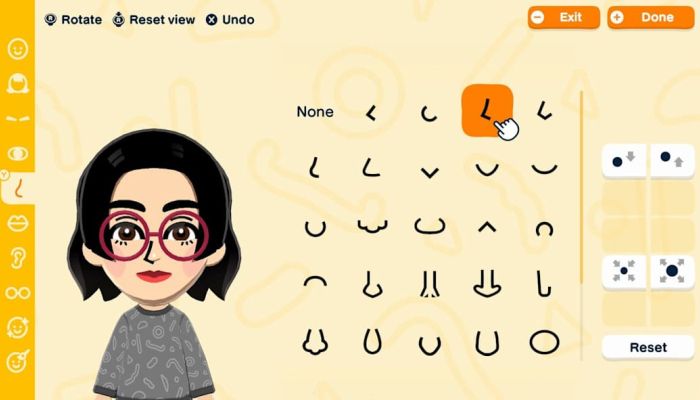
The visual editor offers familiar facial features alongside additional parts created specifically for Living the Dream. Eyes, eyebrows, mouths, hairstyles, facial shapes, colors, accessories, and other details can be combined more freely than in older Mii editors.
The fixed Mii style still creates limitations. Highly detailed people must be translated into simple shapes, and some faces are easier to recreate than others. The strongest designs often exaggerate one or two recognizable features instead of pursuing perfect accuracy.
This simplification becomes part of the humor. A slightly inaccurate representation can be funnier than a careful portrait, especially when the character begins expressing strong opinions through the game’s synthetic voice system.
Appearance is only half of creation. Personality settings influence how residents speak, move, react, socialize, and approach problems. Small quirks provide additional distinction, preventing two visually similar residents from feeling identical.
The personality editor is approachable rather than psychologically complex. I am not defining an enormous list of values, fears, ambitions, and personal history. The game converts a manageable collection of settings into broader behavioral styles.
That simplicity allows me to create residents quickly. It also means their behavior may not always match the person or fictional character I intended to recreate. A carefully designed personality can still participate in absurd scenes that feel completely unsuitable.
For me, those contradictions are part of the appeal. The island is more entertaining when the simulation refuses to protect every character from embarrassment.
The Mii Voices: Artificial Speech That Becomes Part of the Comedy
Every resident can receive a customized voice. Pitch, speed, tone, rhythm, and other qualities affect the synthetic speech used during conversations and musical performances. The voices are not natural in the way professional acting would be. Words may sound awkward, emotional emphasis can appear in unusual places, and certain names or phrases are pronounced imperfectly.
That artificial quality has always been central to Tomodachi Life’s identity. A dramatic confession delivered through a strange computerized voice can become funnier than the writing alone. Creating a voice that suits a resident requires experimentation. A low pitch may make one Mii sound serious, while increasing speed can turn another into a constantly excited character.
The system is flexible enough to create recognizable differences across a large population. I rarely confuse two residents if their visual design, personality, and voice have all been adjusted carefully. Repeated dialogue can expose the system’s limitations. The same speech patterns and emotional sounds appear frequently, and longer sentences occasionally lose clarity.
The voices also depend on language support. Names created in one language may be pronounced strangely by another voice model, requiring phonetic spelling or compromise. Despite those flaws, I would not replace the synthetic delivery with ordinary voice acting. The imperfect speech gives player-created characters a peculiar authenticity that belongs specifically to this series.
Island Building: More Control Over Where the Chaos Happens
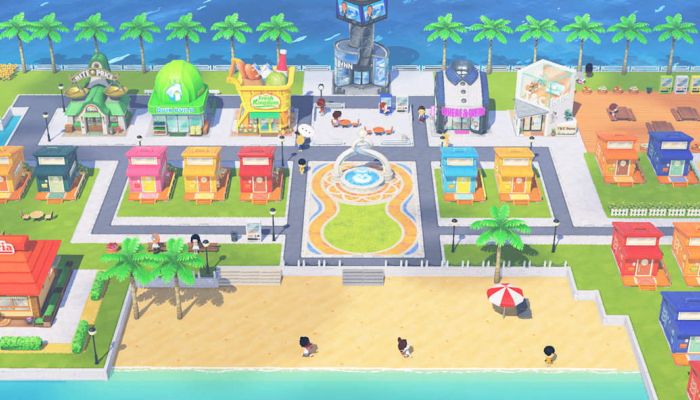
Living the Dream expands the caretaker role by allowing me to develop and arrange the island more directly. Homes, shops, restaurants, recreational spaces, and other facilities can be placed to create a community that reflects my priorities.
This is not a complete city-building simulator. I do not manage road traffic, public budgets, electricity, employment rates, or detailed economic supply chains. Placement focuses on appearance, convenience, and giving residents new locations to visit.
The lighter structure makes island design accessible. I can move buildings without calculating the financial collapse of an entire district, and experimentation does not require studying a complicated planning system.
Different facilities create opportunities for social activity. Restaurants encourage meals and meetings, shops support clothing or item acquisition, and recreational areas become stages for spontaneous interactions.
I enjoyed designing small districts around themes. One part of the island became quiet and residential, while another contained shops and busier gathering areas. The residents did not always respect the atmosphere I intended, but the visual organization made the island feel personal.
The available space creates practical choices. Placing every attraction close together is convenient but can make the island visually crowded. Spreading facilities creates clearer neighborhoods while requiring more navigation.
Building progression provides a reason to continue solving problems and expanding the population. New opportunities gradually make the island feel less like an empty menu and more like a place with routines.
The system could be deeper. Terrain editing, roads, landscaping, building exteriors, and public decorations still operate within clear limits. Players expecting Animal Crossing-level environmental control may want more freedom.
Living the Dream uses island building to support the residents rather than making architecture the main game. That priority is sensible, even when I occasionally wish the construction tools were more ambitious.
Everyday Problems: Small Requests Create the Main Gameplay Loop
Residents regularly ask for help. They may want food, clothing, a room change, advice, entertainment, an introduction, assistance resolving an argument, or something less predictable.
These requests create the main interactive loop. I visit apartments, listen to concerns, choose an item or response, and receive money, gifts, or relationship progress.
The system is intentionally simple. Most problems can be solved in seconds, allowing a short session to contain several different stories.
Food requests reveal preferences. One resident may react enthusiastically to an ordinary meal, while another rejects something I assumed would suit them. Discovering favorite and disliked foods becomes a small collection challenge.
Clothing works similarly. Outfits influence appearance and can create excellent visual comedy when a serious character becomes obsessed with something ridiculous.
Room interiors allow residents to express another part of their personality. Giving someone a luxurious room, futuristic laboratory, simple bedroom, or bizarre themed interior changes the atmosphere of later visits.
The problem system eventually repeats. Residents may ask for similar food, clothing, or social help many times, and experienced players begin recognizing the structure before the dialogue finishes.
The game maintains interest through context rather than mechanical variety. A familiar request can remain funny because it comes from a specific resident with an established history.
This means the quality of the player-created cast matters enormously. A random collection of characters may produce mild entertainment, while a carefully designed population creates stories that feel personally meaningful.
Friendships: Relationships Grow Without Following My Script
Residents form friendships through spontaneous interaction, introductions, compatible personalities, and opportunities created by the player. I can place Mii characters together to encourage contact, but I cannot guarantee that they will become close.
This partial control is one of the game’s smartest decisions. Complete randomness would make relationships feel disconnected from player involvement, while complete control would reduce the island to a dollhouse. Friendships develop through visits, shared activities, conversations, and requests for advice. Residents may become close friends or decide that the relationship is not working.
Watching unlikely friendships form is consistently entertaining. Two characters I expected to ignore one another may spend most of their time together, while an obvious pairing never moves beyond casual contact.
The game’s personality system influences these outcomes without explaining every calculation. I can observe patterns but cannot reduce every relationship to a visible compatibility percentage. That uncertainty creates stories. A friendship feels memorable because it emerged over time rather than appearing after I selected an option from a menu.
It can also become frustrating when I have created residents specifically to interact and they repeatedly choose other people. The game protects its unpredictability at the expense of player plans. Friendship levels provide some information, but the internal social logic remains intentionally mysterious. I often understand that a relationship is strong without knowing exactly why. For a game built around observation, that ambiguity is valuable. People are interesting partly because they do not behave like perfectly transparent systems.
Arguments and Reconciliation: Drama in Very Small Apartments
Residents can become irritated, argue, refuse apologies, and ask the player to help repair relationships. These conflicts give the island social tension beyond constant friendship and romance. Arguments are usually presented humorously, with exaggerated expressions, dramatic visual effects, and complaints that may seem disproportionate to the cause. Helping one resident calm down can involve food, gifts, or supportive interaction before an apology becomes possible. The other person may accept or reject that apology. The possibility of failure is important. If every conflict ended immediately after I pressed the correct button, relationships would feel artificial. Rejection creates consequences without becoming permanently devastating. Residents may remain upset, and the social situation can continue developing later. The emotional system is broad rather than realistic. Serious friendship problems and absurd misunderstandings often use similar structures. That simplicity keeps the tone light. Living the Dream is interested in sitcom drama, not psychological simulation.
Repeated arguments can become tiring, particularly when several residents need calming at once. The player may feel less like a caretaker and more like the island’s exhausted conflict-resolution department. Still, these moments provide some of the funniest stories because the residents take minor disagreements so seriously. Their complete emotional commitment makes the absurdity work.
Romance: Love Arrives Without Respecting My Plans
Romantic relationships are one of the most anticipated and unpredictable systems. Residents may develop crushes, ask for advice, confess their feelings, begin dating, experience jealousy, separate, or eventually consider marriage.
The player can influence how a confession happens, where it takes place, and sometimes what approach the resident should use. The final answer still depends on the characters involved. Confession scenes are entertaining because the game treats them with exaggerated seriousness. A bizarre location, unsuitable outfit, or awkward voice can turn an emotional moment into comedy without removing the underlying tension. Multiple residents may become interested in the same person, creating complications that the player cannot resolve through complete control.
Relationships can succeed even when I never expected the pairing. They can also fail despite careful planning. The series has historically received criticism for limiting which relationships could occur. Living the Dream’s broader relationship representation makes the island feel more welcoming and allows players to create casts without forcing every romance into one narrow structure.
The romance system remains simplified. Compatibility, attraction, and relationship development are represented through broad events rather than deep conversation or shared life goals. Breakups may feel abrupt because the game compresses emotional change into short scenes. A couple that seemed stable can suddenly become uncertain. That unpredictability is both a flaw and a source of replay value. I never feel that the island’s romantic history is completely finished.
Marriage and Family Life: Major Events Built From Small Interactions
Successful couples may eventually marry, creating some of the game’s largest social events. Marriage feels significant because it emerges after many smaller conversations, requests, and relationship changes. The player may help with proposals or related preparations, giving the event more interaction than an automatic announcement. Married couples gain new routines and living arrangements. Their relationship becomes part of the island’s longer history rather than a temporary status. Family-related systems extend that history further. Children can inherit visual traits from their parents, creating residents who connect different parts of the cast.
The results are not always attractive. Genetic combinations can produce faces that are funny for reasons no careful designer could have planned. That visual unpredictability is completely appropriate for Tomodachi Life. A strangely designed child often becomes more memorable than a perfectly balanced one. Family progression creates generational storytelling without requiring detailed household management. I do not control every feeding schedule, school decision, or parenting routine.
This keeps the system approachable but limits emotional depth. Families function as major events and recurring scenes rather than complex simulations. Players who remain attached to their residents will probably appreciate the continuity. A character created at the beginning can eventually become part of a network of friendships, romances, marriages, and relatives that feels unique to that island.
Picking Up and Placing Residents: Social Engineering With Uncertain Results
Living the Dream allows me to pick up Mii characters and place them near one another, encouraging interaction more directly than in earlier entries. This mechanic looks simple, but it changes the social system meaningfully. I no longer need to wait entirely for two residents to visit the same location by chance. Placing them together creates an opportunity, not a guaranteed relationship. They may talk, participate in an activity, or reveal that their personalities do not connect strongly.
The physical act of moving characters supports the caretaker fantasy. I feel like someone arranging circumstances rather than selecting relationship outcomes from a spreadsheet. It can also feel slightly manipulative, especially when I repeatedly place the same residents together because I want a particular friendship or romance. The game responds by preserving independence. Mii characters may ignore my intended story and build stronger connections elsewhere. This tension is healthy. I receive more influence without gaining complete authorship. The mechanic also encourages visual experimentation. Gathering several residents in one location can create unexpected group scenes and make public spaces feel busier. I would have liked more group-management tools for large populations. Moving residents individually becomes slow when I want to organize a major gathering.
Dreams and Surreal Events: Logic Temporarily Leaves the Island
Dreams remain one of the series’ most distinctive sources of humor. Residents experience strange scenarios that ignore ordinary scale, physics, and social logic. These sequences may transform characters, place them inside absurd situations, or create short visual jokes that are difficult to predict. The strongest dreams are memorable because they interrupt the everyday simulation. After several ordinary requests, an unexpected surreal scene restores the game’s sense that anything might happen. Rewards connected with dreams provide a practical reason to watch, though the comedy is usually more important than the item.
Some dream sequences repeat, reducing surprise over long play. Their structure becomes familiar even when a different resident appears. The synthetic voices and simplified Mii expressions make surreal scenes funnier. Characters respond to impossible events with the same serious delivery used for ordinary complaints. Dreams do not create deep gameplay, but they preserve the game’s identity. Living the Dream would feel too orderly without moments that abandon every attempt at realism.
Minigames and Direct Interaction: Brief Activities Between Social Stories
Residents may invite the player into small games, quizzes, guessing activities, reflex challenges, or other brief interactions. These minigames provide variety between conversations and requests. They are easy enough that almost anyone can participate without learning complicated controls. Some use knowledge of the island’s residents, rewarding attention to faces, personalities, clothing, and relationships. Others depend on timing or simple selection. The difficulty remains modest because the activities are designed as interruptions rather than complete competitive modes. Rewards provide additional motivation, although the games eventually repeat.
The shallow design is understandable. Tomodachi Life is not trying to become a collection of elaborate arcade games. I still wanted a larger selection and more difficulty options. Long-term players will encounter familiar activities many times, and the lack of variation becomes noticeable. The minigames are most successful when they involve specific residents. A basic guessing game becomes funnier when the possible answers are characters with established histories.
Item Creation: Personal Jokes Become Part of the World
Living the Dream allows players to create custom items, expanding the feeling that each island belongs to its caretaker. Player-created objects can reflect private jokes, fictional brands, favorite foods, unusual clothing ideas, or visual themes connected with the resident population. This system is powerful because Tomodachi Life already depends on personal context. An item that looks ordinary to another player may be hilarious because of the person or memory it represents. Creation tools must balance flexibility with safety and readability. The game provides structured options rather than unrestricted professional modeling. The limitations can be frustrating for highly creative players, but they help custom objects remain visually compatible with the Mii world.
Giving a resident a player-created item produces a stronger connection than selecting something from a standard catalogue. The object becomes part of that character’s history. Local sharing allows nearby players to exchange certain Mii characters and created items. The absence of unrestricted internet sharing reduces convenience but also limits exposure to inappropriate public creations. I would have appreciated a carefully moderated online sharing system. Local exchange is safe and charming, yet many players may never have another nearby user with the game.
Room Decoration: Apartments Finally Feel More Personal
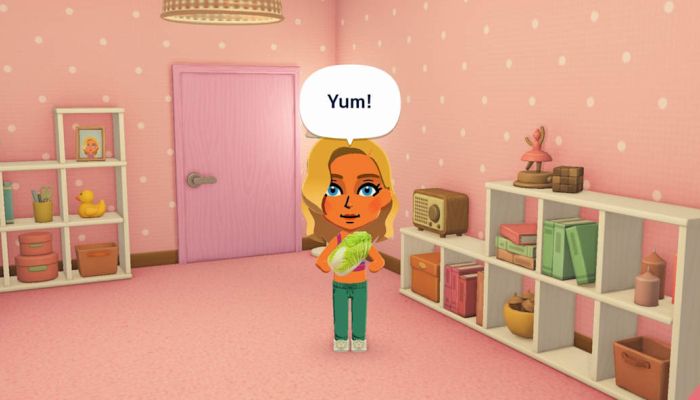
Residents live in spaces that can be customized with interiors, furniture, wallpaper, floors, and decorative themes. A room communicates character immediately. A luxurious interior creates one impression, while a cluttered, futuristic, natural, or deliberately absurd space creates another. The system is more flexible than simply selecting one complete background. Individual decoration gives me greater control over how a resident’s personality appears visually. I can create coherent rooms that match clothing and behavior or intentionally design a complete contradiction. A quiet character living inside an aggressively theatrical room can become an ongoing joke.
The strongest limitation is camera and space. Rooms remain relatively small stages built around resident interaction rather than full houses with complex architecture. Furniture placement offers creativity but does not become a detailed interior-design simulator. Objects fit within clear rules and interaction possibilities remain limited. Residents may react to their rooms, but they do not use every object with the depth of a dedicated life simulation. Despite that, decoration gives earned items and money a stronger purpose. Improving a resident’s room feels more personal than increasing an abstract island score.
Clothing, Food, and Collections: Learning Residents Through Their Reactions
The game contains clothing, food, interiors, gifts, and other collectible items that can be purchased, earned, or created.
Giving these items to residents reveals preferences through exaggerated reactions. A favorite meal may produce an almost supernatural level of happiness, while a disliked food can cause immediate regret. These reactions turn collection into characterization. I remember which resident loves an unusual dish because the response was so dramatic. Clothing also changes how I perceive a character. A formal outfit may support the original design, while something ridiculous can become the resident’s new permanent identity. Residents sometimes develop preferences that conflict with my aesthetic plans. A character I intended to dress seriously may become attached to an outfit I would never have selected.
The player can override some choices, but complete control would remove the sense that residents have personal taste. Collection progress provides long-term goals. Finding every item is satisfying for completionists, though the catalogue can become overwhelming. Repeated shopping and gifting may eventually feel administrative. The emotional reactions prevent the system from becoming purely mechanical, but they cannot hide every duplicate interaction.
Economy and Progression: Money Supports Stories Rather Than Power
Completing requests and activities provides money used for food, clothing, interiors, decorations, and island development. There is no combat power to purchase and no competitive advantage to maintain. Money expands creative and social possibilities instead. This makes the economy relaxing. Spending on an absurd outfit does not create anxiety about weakening my ability to survive a later boss. The lack of serious financial pressure also limits strategy. I rarely need to make difficult economic decisions once the island is established. Progression comes through population growth, facilities, collections, relationships, and memorable events rather than one level number.
This structure fits a lifestyle simulation. The purpose of earning money is to create more opportunities for residents to reveal themselves. The game occasionally becomes repetitive when I need currency for an expensive item. Solving similar requests remains the main source of income, so grinding can appear even inside a relaxed experience. A broader range of island businesses and economic activities could have added depth without turning the game into a management spreadsheet.
Humor: Personal Context Makes Every Island Different
Tomodachi Life’s humor depends on collision. Serious voices discuss absurd problems, familiar-looking people behave unpredictably, and ordinary social events are presented with exaggerated drama. A joke becomes stronger when I know the person represented by the Mii. Watching a fictional stranger wear a ridiculous costume is mildly funny. Watching a carefully recreated friend insist that the same costume is perfect becomes much better. The game avoids relying only on written punchlines. Facial expressions, pauses, synthetic speech, camera angles, music, and inappropriate seriousness all contribute. Not every joke succeeds. Randomness sometimes creates situations that are merely strange without being funny.
Repeated animations and dialogue also reduce impact. A scene that surprised me the first time may feel routine after several appearances. The personal cast compensates for repetition. The same event feels different depending on which residents are involved and what history they already share. Living the Dream understands that players are often the real comedy writers. The game provides structures, while the audience supplies names, relationships, and private context.
Graphics and Art Direction: Simple Characters With Strong Expressions
The Mii art style remains deliberately simple. Faces use basic shapes, bodies are compact, and environments resemble colorful theatrical sets rather than realistic locations. This simplicity allows player-created characters to remain visually consistent even when their designs are unusual. Expressions are exaggerated enough to communicate happiness, anger, embarrassment, jealousy, fear, and confusion immediately. Living the Dream improves environmental detail, lighting, clothing, rooms, and island presentation without abandoning the recognizable Mii identity. The visual upgrade is pleasant rather than revolutionary. Players expecting a dramatic technical showcase on Switch 2 hardware will not find one.
The art style prioritizes clarity and comedy. A realistic face might make some situations uncomfortable, while the simplified characters keep emotional drama playful. Frame rate and visual complexity remain appropriate for a game built around short scenes and menus rather than fast action. Occasional object clipping and repeated animations reveal the limits of the system. The presentation remains charming because consistency matters more than technical detail.
Audio and Music: Cheerful Tunes and Intentionally Strange Performances
The soundtrack uses light, playful music that changes according to location, mood, and event. Short musical cues communicate problems, relationships, discoveries, and dramatic moments before dialogue begins. Resident performances remain a major source of entertainment. Custom lyrics and unusual voices can turn ordinary songs into complete nonsense. The music system is more enjoyable as a creative comedy tool than as a serious composition environment. Timing and vocal quality are intentionally limited by the Mii presentation.
Repeated background tracks become familiar during long sessions. The game contains enough variation for different locations, but daily play eventually exposes loops. Sound effects support the exaggerated tone. Happiness, shock, arguments, dreams, and failures receive strong audio punctuation. The synthetic voices remain the most distinctive part of the soundscape. They are awkward, readable, and capable of making almost any sentence amusing.
Technical Performance and Switch 2 Compatibility
Living the Dream was created for Nintendo Switch and runs on Nintendo Switch 2 through compatibility support rather than as a separate enhanced edition. The game’s technical demands are modest compared with large action titles. Loading between apartments, facilities, and island areas is generally brief. A growing population can create more information for the game to track, though the simulation remains focused on selected scenes rather than processing every resident physically at once.
I encountered occasional repetition, animation awkwardness, and moments where a scene transition felt slower than expected. These were minor compared with the broader stability of the experience. Touchscreen use suits certain creation and placement activities in handheld mode, while controller input works well on television. The interface contains many menus, lists, residents, and items. Better filters become increasingly important as the island grows.
Save Data Cloud support requires the appropriate Nintendo Switch Online membership. Players investing many hours in a personal cast should protect that save whenever possible. The inability to maintain multiple completely separate islands easily under one user profile may frustrate players who want different experiments without removing their main community.
Local Communication: Sharing Without a Large Public Network
Living the Dream supports local wireless exchange for certain Mii characters and player-created items. Sharing a carefully designed resident with a nearby friend can produce excellent results because the imported character enters a completely different social environment.
The original character remains on the creator’s island, avoiding the feeling of permanently giving someone away. Local exchange also reduces moderation risks associated with unrestricted public uploads. The limitation is accessibility. Many players do not have another nearby person who owns the game, making the feature effectively unavailable.
Internet-based sharing would have expanded the community enormously. It would also require stronger moderation, reporting, and content restrictions. Nintendo’s conservative approach is understandable, especially when players can create characters based on real people. It still feels like a missed opportunity for a game built around sharing stories.
Monetization and Value: A Complete Premium Game
Tomodachi Life: Living the Dream is sold as a full-price premium Nintendo release. The main island, Mii creation, relationship systems, facilities, items, and social events are included in the purchase. There are no premium currencies, energy timers, randomized paid character pulls, or battle passes interrupting daily play. This complete structure is refreshing because the game’s collection systems could easily have been converted into recurring purchases.
The price may seem high to players who judge value through graphical complexity or traditional campaign length. Living the Dream uses simple visuals and repeated systems rather than expensive cinematic production. Its value depends on personal involvement. A player who creates several meaningful residents and returns regularly may receive hundreds of unique situations. Someone using random characters without emotional investment may become bored quickly.
A free demo allows players to test the basic structure and transfer progress to the full game. This is especially useful because Tomodachi Life’s appeal is difficult to communicate through screenshots alone. The complete package feels fair, although future paid expansions or content updates could change the long-term value calculation.
Who Should Play Tomodachi Life: Living the Dream?
Living the Dream is ideal for players who enjoy social simulations, character creation, absurd humor, observation, collection, light decoration, and inventing stories around familiar people. Fans of the Nintendo 3DS entry will recognize the central structure while receiving broader customization and island-development options. Families can enjoy creating one another and comparing the simulation’s interpretation of their personalities. Content creators may find an endless supply of short stories, unusual pairings, songs, and visual jokes.
Players seeking detailed city management, direct character control, challenging strategy, or a strong linear campaign should look elsewhere. Anyone uncomfortable with a simulation creating unexpected romances or conflicts between representations of real people should consider using fictional characters instead. The game works best in short regular visits. Playing for many consecutive hours exposes repetition more quickly than checking the island periodically.
Final Verdict: The Best Stories Are the Ones I Could Not Intentionally Create
Tomodachi Life: Living the Dream succeeds because it understands the difference between designing characters and controlling them. I create appearances, voices, personalities, rooms, items, and an entire island. The residents then use those ingredients to produce relationships and disasters that feel partly mine and partly their own.
The expanded Mii editor makes the cast more expressive, while personality quirks help similar-looking residents behave differently. Synthetic voices remain strange enough to turn ordinary dialogue into comedy.
Island building and room decoration give the player more environmental control than earlier entries. These systems are not deep enough to compete with dedicated construction games, but they make the community feel more personal.
Friendship and romance remain the heart of the experience. Unexpected relationships create stories that could not have been written effectively through a simple menu. Arguments, jealousy, confessions, marriages, and family events turn the island into a history rather than a collection of isolated characters.
The game’s individual mechanics are often shallow. Requests repeat, minigames are brief, and the economy rarely demands difficult decisions. Living the Dream achieves depth through combinations rather than through one complicated system.
That design will not appeal to everyone. Players need imagination, patience, and some emotional connection with the residents they create. The game provides the stage, but the cast determines whether anything memorable happens on it.
I recommend Tomodachi Life: Living the Dream to fans of social simulation, Mii characters, absurd comedy, creative customization, family play, and unpredictable storytelling. It is especially effective as a game visited regularly rather than consumed in one extended session.
Personal rating: 9/10.
Tomodachi Life: Living the Dream earns that score for its excellent character creation, unpredictable relationships, distinctive voices, expanded island design, personal room decoration, inclusive romance, surreal humor, and ability to produce stories unique to each player. It loses one point for repetitive requests, shallow minigames, limited sharing, slow social development, and systems that occasionally provide less control than the player wants.
My island never became the peaceful community I originally imagined. It became something better: a place where carefully designed personalities made terrible decisions without asking my permission.
Pros

- Engaging and humorous social interactions that evolve organically
- Relaxed, stress-free gameplay with no strict time limits
- Customizable characters and environments that enhance creative play
- Charming and unique art style that distinguishes it from other simulation games
- Low system requirements ensuring smooth performance on various devices
- Strong community support with active sharing of mods and gameplay tips
Cons

- Limited depth for players seeking complex and strategic challenges
- Niche appeal that may not resonate with fans of traditional narratives
- Occasional unpredictability in gameplay that might frustrate some players

Leave a comment
Your comment is awaiting moderation. We save your draft here
0 Comments