







New Eridu Had Me Before the First Fight
My first hour in Zenless Zone Zero did not feel like the opening of a game about surviving an apocalypse. I wandered past a video store, checked messages on a chunky retro device, listened to music spilling into the street, and watched residents argue about ordinary problems. Then a commission sent my team into a Hollow, the music changed, enemies appeared, and the relaxed city routine snapped into rapid dodges, assists, parries, and character switches. That contrast became the foundation of this Zenless Zone Zero review.
Developed by HoYoverse, Zenless Zone Zero is a free-to-play urban fantasy action RPG set in New Eridu, a city that survived a supernatural disaster involving spatial anomalies known as Hollows. These unstable zones contain dangerous creatures called Ethereals, valuable resources, and distorted environments that require specialist guidance. I play as a Proxy, someone who helps combat teams navigate those spaces while investigating the mysteries surrounding the city and the disaster.
The premise sounds bleak, but the presentation rarely stays miserable for long. New Eridu is packed with colorful businesses, food stands, arcades, advertisements, animated shop signs, unusual residents, and characters who speak as though they belong to the same neighborhood rather than a distant fantasy kingdom. The game treats urban routine as something worth protecting.
That makes the setting more relatable than a series of ruined battlefields. I was not saving an abstract world represented only by mission text. I was returning to familiar streets, checking in with shopkeepers, managing daily activities, and gradually learning how different factions fit into the city.
The opening also makes an immediate stylistic statement. Conversations use comic-book panels, exaggerated animation, sharp camera cuts, expressive portraits, and playful transitions. Characters lean into recognizable archetypes, but strong visual direction gives them more personality than their basic descriptions might suggest.
Zenless Zone Zero’s biggest early problem is pacing. The game introduces combat, story terminology, upgrade materials, currencies, commissions, character systems, daily activities, and several menu layers within a relatively short period. I frequently wanted to return to the action while another conversation, tutorial window, or reward screen delayed me.
Once the systems settle into place, the structure becomes easier to appreciate. New Eridu provides the rhythm and personality. The Hollows provide danger and combat. The roster provides long-term collection goals. The result is polished, energetic, and immediately appealing, though it carries nearly every complication associated with a modern character-based gacha game.
Core Gameplay & Mechanics: Dodging, Parrying, and Switching at Full Speed
Zenless Zone Zero’s combat is built around teams of three Agents. I control one character at a time while switching between team members to extend combinations, counter specific threats, activate assists, and use each Agent’s combat role. Basic attacks, special skills, dodges, ultimates, and character swaps form the central control set.
At first, combat looks simpler than it really is. Repeated basic attacks produce stylish combinations, and generous early encounters allow new players to succeed without understanding every system. The visual feedback is strong enough that even a basic sequence feels impressive. Hits produce sharp sound effects, impact frames, camera movement, and bright effects without completely obscuring enemy positions.
The deeper rhythm comes from enemy attacks. A clear flash and audio cue may signal an opportunity for a Perfect Assist. Switching at the correct moment can bring another Agent into the fight with a defensive parry or evasive response. Successful timing stops the enemy’s momentum and creates an opening for counterattacks.
Perfect Dodges offer a second defensive option. Avoiding an attack at the last moment briefly slows the action and creates space for a Dodge Counter. I often chose between staying with the current Agent for a dodge or switching to another character for an assist based on positioning, available assist points, and the next step in my rotation.
The timing windows are readable without being completely automatic. Early enemies telegraph attacks generously, while tougher encounters combine delayed swings, rapid chains, ranged threats, and area attacks. Learning whether to react to the first movement or wait for the actual strike becomes increasingly important.
Each Agent belongs to an attribute and combat specialty. Attack characters focus on direct damage, Stun specialists build Daze, Support Agents provide buffs or utility, Anomaly characters trigger status effects, and defensive roles help stabilize a team. Building a functional squad therefore involves more than choosing three favorite designs.
Daze is one of the most important systems. Attacks gradually fill an enemy’s Daze meter, and reaching the threshold puts that target into a vulnerable stunned state. Strong teams often use a Stun Agent to create this opening before switching to a damage dealer for a concentrated burst.
Chain Attacks make those moments more dramatic. Certain heavy attacks against a stunned enemy trigger a team sequence that allows me to select additional Agents for rapid follow-up moves. These transitions are flashy, but they also provide tactical value through damage, faction bonuses, elemental application, and repositioning.
Character switching keeps the action moving. I rarely stay with one Agent for an entire encounter. A typical rotation may begin with a support effect, move to a Stun character to build Daze, and finish with an attacker once the enemy becomes vulnerable. Other teams focus more heavily on Anomaly buildup and the interaction between different status effects.
The variety between Agents is one of the game’s greatest strengths. A heavy melee fighter feels different from a rapid sword user, ranged gunner, or character built around counters. Attack animations communicate personality as well as function. Some Agents fight with professional precision; others move as though every encounter is an improvised performance.
Bangboo companions add another layer. These small robotic assistants can participate in combat, support particular attributes or factions, and appear during certain Chain Attacks. They are mechanically useful, visually charming, and clearly designed to become another part of team optimization.
The combat is accessible, but it does not remain shallow. High-level challenges demand better rotations, careful resource use, appropriate team composition, and knowledge of enemy patterns. Poorly timed switching can waste an assist. Using an ultimate at the wrong point may weaken a damage window. Failing to maintain buffs can turn a strong team into an average one.
My first major annoyance is that routine encounters eventually become repetitive. Many missions take place in compact combat arenas connected by short routes. The enemies may change, but the basic sequence of entering a room, clearing a wave, collecting a reward, and moving forward appears frequently.
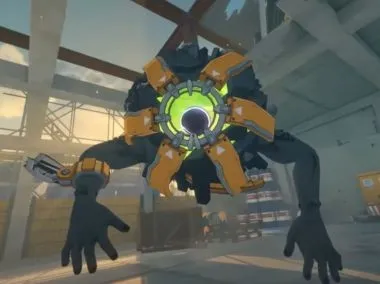
Boss battles are more memorable. Large enemies combine multiple phases, aggressive movement, stagger windows, and distinctive attack patterns. These fights give the defensive systems a clearer purpose because careless button pressing stops working.
The game also includes score-based combat activities, simulation stages, endgame challenges, arcade diversions, and rotating events. Current official event structures continue to experiment with team restrictions, stage buffs, timed combat, and multiple squads, giving established players reasons to develop a broader roster rather than relying on one team forever.
Outside battle, I move through urban hubs, speak with characters, visit shops, manage commissions, and participate in side activities. The world is not a seamless open map. It is divided into detailed districts and mission areas, making the experience more focused but less exploratory than a traditional open-world RPG.
Earlier story progression relied heavily on television-board navigation sequences representing movement through Hollows. Later updates reduced or reworked some of that structure, reflecting player criticism that the board sections interrupted combat pacing. Even with improvements, the game still alternates between strong action and slower stretches of dialogue, errands, and interface management.
That rhythm will divide players. I enjoyed returning to New Eridu after intense fights because the quieter scenes made the characters feel more grounded. I became less enthusiastic when a short mission required several conversations and loading transitions before the next meaningful encounter.
Graphics, Audio, and Technical Performance: Style in Every Frame
Zenless Zone Zero is one of HoYoverse’s most visually confident games. Its art direction combines street fashion, retro electronics, industrial science fiction, graffiti, anime character design, and exaggerated advertising. New Eridu looks contemporary enough to feel familiar but strange enough to support robots, animal-like citizens, supernatural disasters, and advanced combat technology.
Character animation deserves particular praise. Agents do not simply stand in neutral poses during conversations. They shift weight, react dramatically, change expressions, and use body language that communicates attitude before the dialogue finishes. Story scenes often cut between full animation, in-engine sequences, comic panels, and stylized illustrations.
Combat animation is equally polished. Every Agent has a distinct silhouette and movement pattern, making character switching readable even when effects fill the screen. Strong attacks carry visible weight, while dodge animations and assist entrances make defensive play look aggressive rather than passive.
The city environments are smaller than a large open world, but they are carefully constructed. Sixth Street and later districts contain shops, posters, traffic, background conversations, small businesses, and decorative details that make them feel inhabited. Official platform descriptions highlight locations such as Sixth Street, Failume Heights, Godfinger Arcade, and other urban activities as part of the game’s daily-life structure.
Hollow environments are less consistent. Some combat zones use memorable industrial layouts, damaged infrastructure, distorted spaces, and dramatic lighting. Others rely on repeated corridors, platforms, warehouses, or arenas that feel built around combat efficiency rather than believable geography.
The user interface matches the visual identity through cassette imagery, televisions, stickers, bold typography, and animated transitions. It looks excellent. It is not always efficient. Important functions can be spread across phones, menus, activity pages, event tabs, shops, and reward screens.
This is my second major annoyance. Zenless Zone Zero occasionally turns basic maintenance into a tour of the interface. Claiming several rewards may require opening multiple pages. Upgrading one Agent involves levels, skills, equipment, materials, and promotion requirements. The visual presentation softens the administrative burden but does not remove it.
The soundtrack is a major strength. Urban exploration uses relaxed electronic tracks, funk, hip-hop influences, and playful background themes. Combat shifts toward heavier electronic beats, rock, and aggressive rhythmic tracks. PlayStation’s official description emphasizes the game’s broad musical identity, ranging from electronic dance music to metal and rap.
Audio cues also serve gameplay. Defensive flashes are supported by sharp sounds that help me react even when I am focused on my own attack animation. Successful parries produce a satisfying impact, while character voices make team switches feel coordinated.
Voice acting gives the cast energy, though repeated combat lines become familiar during long sessions. Story localization is generally polished, but the volume of dialogue means some scenes inevitably feel longer than necessary.
Performance varies by platform and hardware. The PS5 version offers fast loading, stable presentation, and support for PS5 Pro enhancements. It requires online access and includes optional purchases containing randomized items.
On capable PCs and modern mobile devices, the game can look excellent. Mobile performance requires more compromise because character effects, detailed environments, and rapid combat place heavy demands on the device. Lower settings preserve responsiveness but reduce shadows, resolution, crowd detail, and effects.
Storage is another practical issue. A live-service RPG grows with every major update, adding characters, areas, cinematics, voice files, and events. Players on phones or smaller console drives should expect the installation footprint to increase rather than remain fixed.
I experienced the occasional delay when moving between districts, opening certain menus, or loading an activity. These pauses were not severe enough to damage the overall experience, but they added friction to a game already divided into many short transitions.
The broader technical quality remains impressive. Crashes and severe bugs are not the defining experience, and combat responsiveness is generally strong. The main weaknesses are less dramatic: interface delay, mobile heat, storage demands, and the accumulation of loading screens between activities.
Monetization & Ads: Generous Entry, Expensive Temptation
Zenless Zone Zero is free to download and play. Its main story, combat systems, events, city districts, and progression can be accessed without an initial purchase. The game is available on platforms including mobile, PC storefronts, and PlayStation 5, where it is listed as free with optional in-game purchases.
There are no traditional third-party advertising breaks. I am not required to watch a commercial after a mission or before claiming normal rewards. Monetization instead revolves around gacha banners, premium currency, monthly access-style products, battle-pass systems, and resource bundles.
Agents are obtained primarily through Signal Searches. Limited banners feature selected characters for a defined period, creating urgency because missing a release may mean waiting months for another opportunity. Weapons are represented by W-Engines, with stronger or signature options also connected to the banner economy.
Premium Monochrome can be converted into Polychrome and used toward pulls. The PlayStation Store openly lists Monochrome packs reaching premium price tiers, including a 6,480 Monochrome bundle priced at $99.99 in the United States.
The game includes pity and guarantee systems that reduce the possibility of endless failure, but obtaining a specific limited Agent can still require substantial savings or spending. Losing a featured-character probability check can delay the desired result until another high-rarity pull.
Free players receive Polychrome through missions, events, daily activity, achievements, updates, compensation, and endgame modes. Anniversary and major-version campaigns can provide significant rewards, while the official site regularly promotes login bonuses and pull-related incentives. As of July 2026, the game is celebrating its second anniversary around Versions 3.0 and 3.1.
A disciplined free player can clear story content and build several strong teams. The game does not require every limited Agent. Good team construction, appropriate equipment, and mechanical skill matter more than owning the entire roster.
The pressure becomes stronger in endgame content and character collection. New challenges may favor particular attributes, factions, or combat mechanics. A recently released Agent can provide an efficient answer to the latest activity, making older teams feel less convenient even when they remain functional.
This creates a soft form of pay-for-advantage. Zenless Zone Zero is not a competitive PvP game where spending directly defeats another player, but paying can increase roster flexibility, reduce resource pressure, unlock signature equipment, and make difficult content easier.
Duplicate Agents strengthen characters further through Mindscape Cinema upgrades. These bonuses are not necessary for ordinary play, yet they give high spenders another reason to continue pulling after obtaining a character once.
The monetization is polished rather than invisible. Attractive character trailers, limited schedules, trial stages, story appearances, and carefully designed animations all encourage emotional attachment before the banner ends. The game rarely demands payment directly. It makes the desired character feel too appealing to miss.
Players should establish a budget before opening the store. The safest approach is to treat premium currency as entertainment spending with no guaranteed emotional return. A failed pull does not become more valuable simply because money was used.
Who Should Play This? Action Fans With Patience for Gacha Systems
Zenless Zone Zero is ideal for players who enjoy fast character-action combat but want a more forgiving entry point than highly technical action games. Dodges, assists, Chain Attacks, and team switching create spectacle immediately, while advanced challenges reward deeper understanding.
Anime fans will find an expressive cast, faction-based storytelling, distinctive costumes, and frequent character-focused episodes. The game invests heavily in making Agents memorable outside combat through dialogue, animated scenes, social interactions, and city appearances.
Players who enjoy team building will have plenty to manage. Combining roles, attributes, faction bonuses, W-Engines, Drive Discs, Bangboo, and rotation strategies creates long-term experimentation. A new Agent can change how an entire team functions.
The game also suits players who prefer compact daily sessions. Commissions, resource stages, and routine activities can be completed in relatively short bursts. Longer story chapters and events remain available when more time is available.
Music and visual-design enthusiasts should try it even if they do not normally play gacha RPGs. New Eridu has a strong identity, and the presentation rarely feels generic.
Players who dislike live-service schedules should be cautious. Limited events, rotating banners, daily energy, and recurring tasks create pressure to log in regularly. Taking a long break is possible, but the game is designed to reward consistency.
Anyone strongly opposed to randomized character acquisition should skip it. The combat may be excellent, but the roster system remains tied to probability, premium currency, and limited availability.
Players seeking a large seamless open world may also be disappointed. Zenless Zone Zero contains detailed districts, but they operate as hubs rather than one continuous landscape. Exploration is smaller and more directed than in Genshin Impact.
Those who dislike dialogue-heavy storytelling may become impatient. The game has many conversations, jokes, character scenes, and transitional tasks between major battles. Some are charming. Others slow the pace.
Mobile players with older devices should check compatibility and storage carefully. Responsive timing is central to combat, so unstable performance changes the experience more severely than a minor graphical downgrade.
Final Verdict: New Eridu Is Worth Visiting, but Set a Spending Limit
Zenless Zone Zero is a confident action RPG with some of HoYoverse’s strongest presentation. Its combat is responsive, readable, and immediately entertaining. Perfect Assists create powerful defensive moments, character switching keeps battles dynamic, and team building provides enough depth for long-term experimentation.
I enjoyed the contrast between city life and Hollow operations. Returning to local shops, familiar streets, and character conversations gave the dangerous missions more context. New Eridu is not simply a menu between fights. It is central to the game’s identity.
The cast is another major success. Agents differ visually and mechanically, while faction relationships give the expanding roster some structure. I frequently wanted to test a character because their fighting style looked interesting, not merely because their statistics were strong.
That desire leads directly to the main reservation. Zenless Zone Zero is designed to create attachment and monetize access. A free player can experience the story, complete events, build effective teams, and enjoy hundreds of battles. A collector can spend heavily and still face uncertain results.
The game’s live-service structure also demands time. Daily energy, limited events, upgrade materials, and rotating banners encourage regular attention. Players who enjoy an ongoing hobby may appreciate that rhythm. Those who want a finite action game with a complete roster will find it exhausting.
Technical presentation is strong across supported platforms, especially on capable hardware. Animation, music, interface style, and combat effects give the game a premium appearance despite its free entry point. The cost appears later through time, storage, and optional spending.
I recommend Zenless Zone Zero to action fans, anime enthusiasts, team builders, and players who enjoy long-term character progression. I recommend it with more caution to completionists and anyone who struggles with limited-time purchasing pressure.
The best way to play is to choose a few favorite teams, accept that the entire roster is unnecessary, and focus on the combat and world rather than every banner. Played with those boundaries, Zenless Zone Zero offers an excellent free action RPG with a distinctive setting.
Personal rating: 8.5/10.
Zenless Zone Zero earns that rating for its outstanding visual identity, responsive combat, satisfying parries, varied Agents, strong soundtrack, expressive animation, and memorable city atmosphere. It loses points for gacha pressure, repetitive farming, menu overload, uneven story pacing, growing storage demands, and an always-online structure.
New Eridu may be humanity’s last safe city, but the most dangerous Hollow is still the limited banner waiting inside the shop.
Pros

- Innovative gameplay with seamless integration of urban exploration and fast-paced combat.
- Visually stunning graphics that bring neon-drenched urban landscapes to life.
- Engaging storyline with deep character development and evolving narrative.
- Wide range of customization options via mods and in-game enhancements.
- Accessible across multiple platforms with cross-play capabilities.
- Regular updates and downloadable content that keep the game fresh.
Cons

- Occasional performance hitches on lower-end systems.
- Steep learning curve for new players due to complex mechanics.
- Certain in-game features, such as cheats and mods, can disrupt game balance if misused.


Leave a comment
Your comment is awaiting moderation. We save your draft here
0 Comments